Author: asad

  • Dry Van Factoring 2026

    Dry Van Factoring 2026

    For dry van operators, managing steady cash flow can be a real challenge. You’re constantly hauling all kinds of freight — from electronics to everyday goods — and often have to wait weeks for customers to pay. These delays can make it hard to cover fuel costs, maintenance, and driver expenses on time.

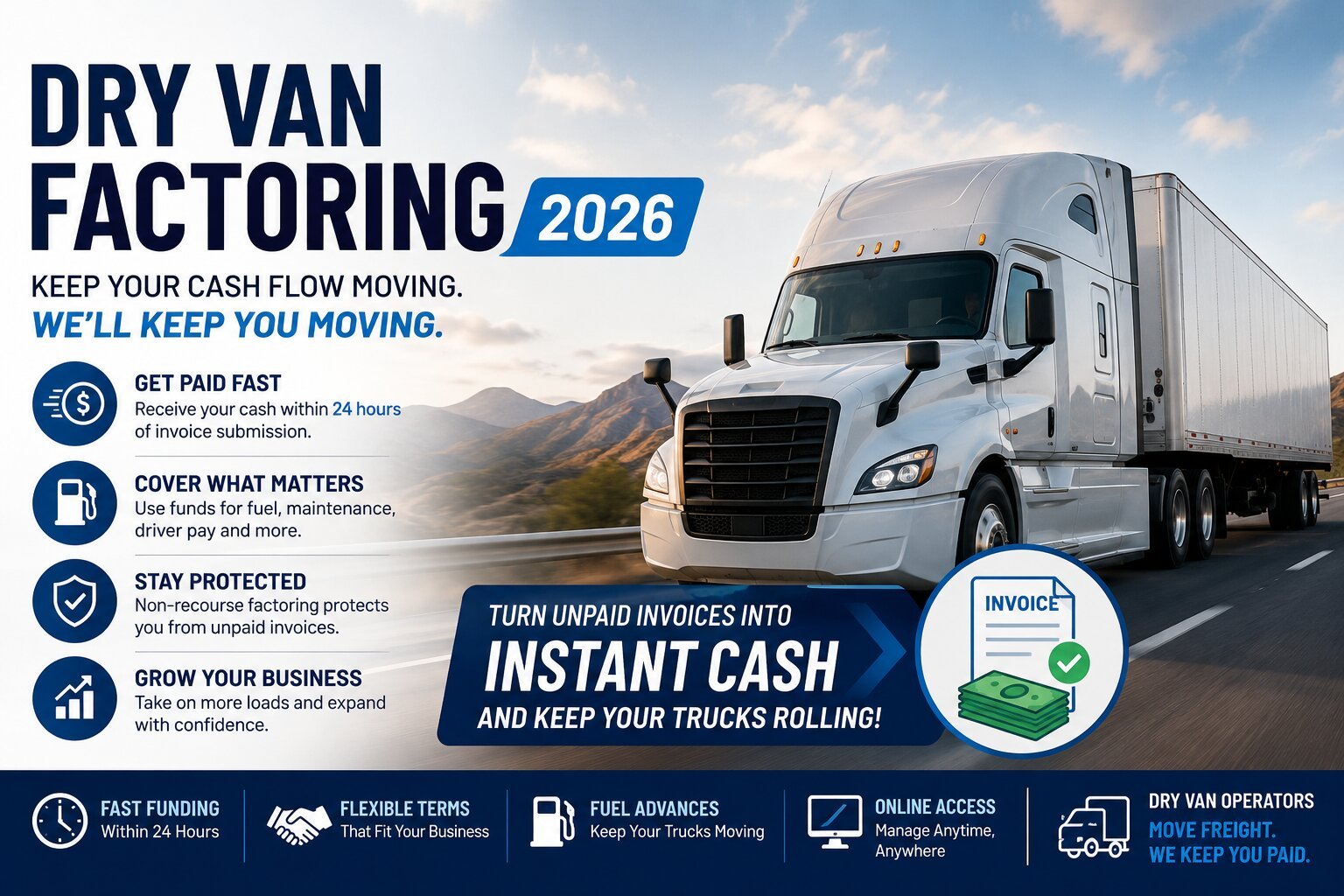
    That’s where dry van factoring 2026 comes in. By turning your unpaid invoices into instant cash, factoring helps you keep money flowing and your trucks moving without interruption. It gives you the flexibility to handle operating costs and take on more loads, even when payments are delayed.

    Quick Answers

    Dry van operators often face cash flow issues because freight payments can take 30–90 days. Dry van factoring 2026 solves this by turning unpaid invoices into quick cash, often within 24 hours. This helps cover fuel, maintenance, driver wages, and daily expenses without waiting for customers to pay. 

    When choosing a factoring company, look for fast funding, transparent fees, fuel advances, flexible terms, and trucking industry experience. Features like online invoice management and non-recourse factoring can add extra convenience and protection. The right factoring partner keeps cash flow steady, reduces financial stress, and helps dry van businesses grow confidently. 

    Smart Factoring Tips for Dry Van Truckers

    To make the most out of factoring, choose a reliable factoring partner that understands trucking. Look for fast funding, low fees, and helpful services like fuel cards or load board access. The right factoring setup keeps your business stable, supports steady growth, and protects you from cash flow gaps — even when the market is unpredictable.

    How Factoring Works for Dry Van Operators

    Dry Van Factoring 2026 is a simple way for dry van operators to get quick cash without waiting for customers to pay their invoices. You sell your invoices to a factoring company at a small discount, and in return, you receive most of the payment upfront — often within 24 hours. This money can be used to cover everyday costs like fuel, maintenance, and driver pay.

    Dry van truckers often move high-demand loads such as electronics, packaged goods, and retail products. 

    These shipments usually come with tight delivery deadlines and slow payment terms, which can put pressure on your finances. Factoring helps solve this problem by keeping your cash flow steady, so you can focus on moving freight instead of waiting on payments.

    Because factoring companies specialize in the trucking industry, they understand the unique needs of dry van operators and offer services built to fit your operations — from quick funding to simple paperwork.

    How Payment Terms Affect Dry Van Cash Flow

    In dry van trucking, long payment terms can make it hard to keep cash flowing. Many shippers and brokers pay on 30-, 60-, or even 90-day cycles, which means you might wait months to get your money. Meanwhile, your fuel, maintenance, and driver expenses still need to be paid right away. This delay can easily create financial pressure and slow down your operations.

    That’s where factoring services make a big difference. By turning your unpaid invoices into instant cash, factoring helps you bridge the gap between deliveries and payments. You can cover your costs on time, take on new loads confidently, and keep your business moving without waiting for funds to clear.

    Understanding how payment terms affect your cash flow — and using freight factoring to manage it — helps you stay financially stable, plan ahead, and even grow your fleet without interruptions.

    Key Features of Dry Van Factoring 2026

    When choosing a factoring service for your dry van trucking business, it’s important to find one that fits your specific needs. The right factoring partner can make managing cash flow easier and keep your operations running strong. Here are a few important features to look for:

    Flexible Credit Terms

    Dry van truckers often haul high-volume freight with tight profit margins, and payment delays can make cash flow unpredictable. A good factoring company offers flexible credit terms that adjust with your business — giving you extra support during busy seasons and easing requirements during slower months. This flexibility helps you stay financially balanced year-round.

    Fuel Advances

    Fuel is one of the biggest expenses in dry van operations. Some factoring companies offer fuel advances, giving you quick access to cash as soon as a load is confirmed. This way, you can pay for fuel upfront and keep your trucks moving without waiting for customer payments to arrive.

    High-Volume Support

    Dry van operators often deal with a large number of shipments every week. Managing all those invoices can get complicated. A factoring company that handles high-volume invoicing makes this process easier by organizing payments, reducing paperwork, and keeping your cash flow steady. This helps you stay focused on running loads instead of chasing payments.

    Fast and Reliable Funding

    In trucking, speed matters — especially when it comes to getting paid. Look for a factoring service that provides funding within 24 hours of submitting your invoices. Quick access to cash helps you cover fuel, repairs, and driver pay right away, allowing you to accept new loads without delay.

    By choosing a factoring partner with these features, dry van operators can manage their finances smoothly, lower stress, and focus on growing their business.

    Choosing the Right Factoring Partner

    Picking the right factoring partner and setting up a contract that fits your business needs is key to getting the most out of factoring. The right company will understand your operations, offer transparent rates, and provide services that support your long-term growth. Here’s how you can find the best fit for your business:

    Industry Experience

    When choosing a factoring company, it’s smart to go with one that truly understands the trucking industry — especially dry van operations. A company with hands-on experience knows the challenges you face, from seasonal slowdowns to changing freight rates. They can offer custom solutions that match your routes, customers, and cash flow needs, helping you run your business more efficiently.

    Non-Recourse Factoring

    If you want extra protection against unpaid invoices, consider non-recourse factoring. With this option, the factoring company takes the loss if your customer fails to pay due to bankruptcy or credit issues. It’s a great way to reduce risk and keep your cash flow steady.

    This type of factoring is especially useful for small or growing operators who might not have the funds to cover unexpected payment problems. It gives you peace of mind and lets you focus on hauling loads, not worrying about collections. 

    Transparency in Rates and Fees

    When selecting a factoring company, always make sure their rates and fees are clear and upfront. Hidden charges can quickly cut into your profits and hurt your cash flow. A trustworthy partner will offer straightforward pricing with no surprises, so you always know exactly what you’re paying. This kind of transparency helps you plan your expenses and manage your business more confidently.

    Customer Reviews and Reputation

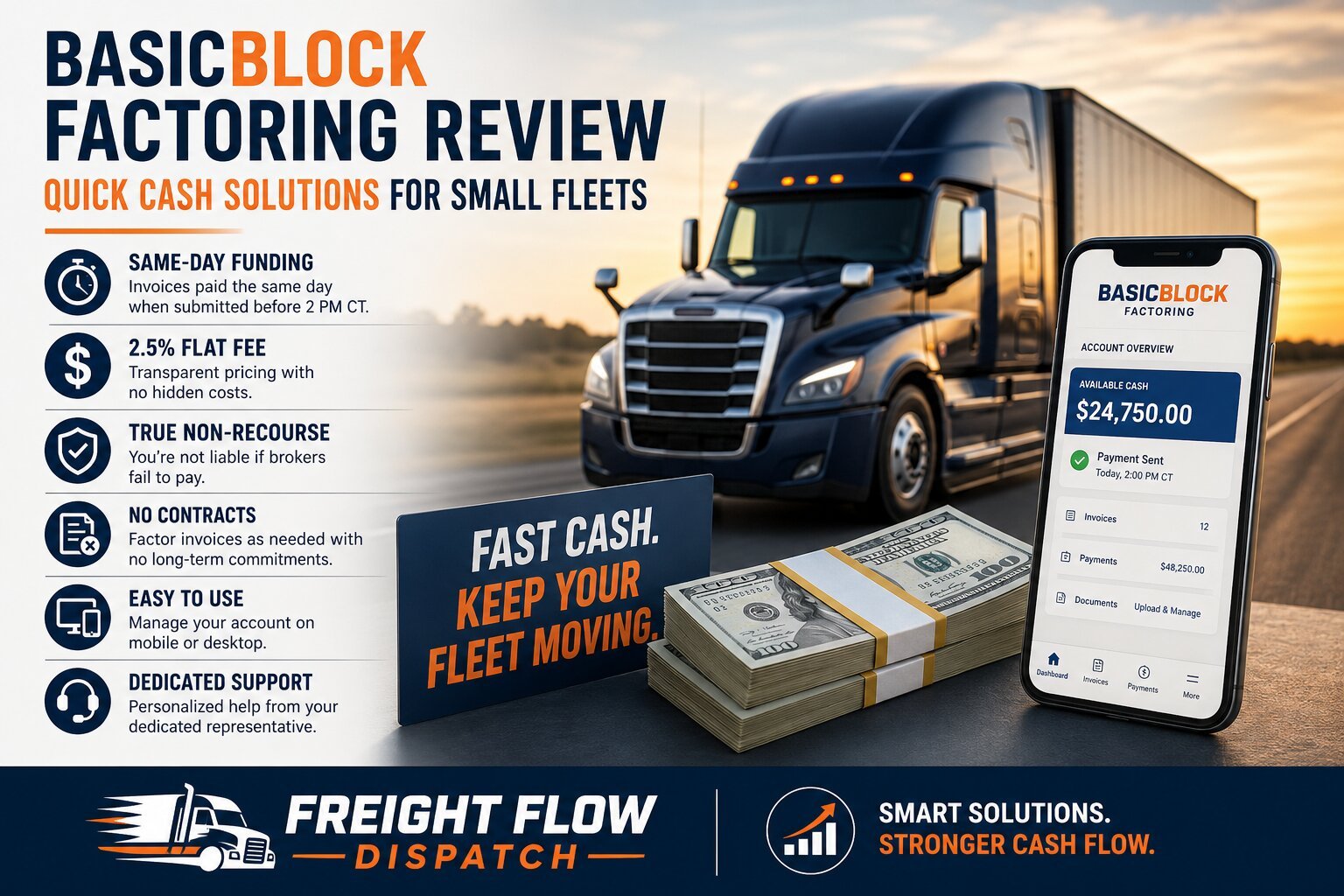
    Before signing up, take time to check reviews and feedback from other truckers. A factoring company with a strong reputation for reliability and fast payments is worth your trust. Look for one that provides responsive customer support and smooth service every time — like companies such as BasicBlock Factoring, known for helping truckers keep their cash flow steady and stress-free.

    Simple and Easy Processes

    Go for a factoring company that makes things simple. The best partners offer quick, hassle-free systems for submitting invoices and receiving payments. Many also provide online portals or mobile apps where you can track your transactions, view account details, and manage everything in one place. This saves you time, reduces paperwork, and lets you stay focused on running your trucks instead of handling admin tasks.

    By considering these key points, you can choose a factoring partner that not only helps with immediate cash flow but also supports your long-term business growth and stability. A smooth, transparent process means less stress for you — and more time to focus on keeping your fleet on the road.

    Tips for Dry Van Operators Using Factoring Services

    Building a good relationship with your factoring company can make a big difference in how smoothly your business runs. By managing the process efficiently, you can get the most value from your factoring service and keep your cash flow consistent. Here’s how:

    Submit Invoices on Time

    Always send your invoices right after delivery. Waiting too long to submit them can delay your funding and interrupt your cash flow. Submitting promptly ensures you get paid faster, helping you cover fuel, maintenance, and driver pay without stress. 

    A steady submission routine keeps your business running smoothly and ready for new loads. 

    Clear Communication

    Keep open and regular contact with your factoring company. Let them know about your loads, expected payments, and any issues that might come up. Staying transparent helps prevent misunderstandings and keeps the partnership running smoothly. Good communication also makes it easier to solve problems quickly and maintain a strong working relationship.

    Use Online Tools

    Most factoring companies now offer online portals or mobile apps to make things easier. Use these tools to submit invoices, track payments, and check your funding status anytime. Managing your account digitally saves time, cuts down paperwork, and gives you a clear picture of your business finances — all in one place.

    Know Your Agreement

    Take time to read and understand your factoring contract. Be aware of all fees, including funding rates, credit checks, or extra service charges. Knowing these details upfront helps you manage your costs better and avoid surprises later. 

    A clear understanding of your agreement ensures you get the most value from your dry van factoring 2026 partnership.

    Choose the Right Partner: Final Thoughts

    Using dry van factoring 2026 services can be a game-changer for dry van operators. It helps you maintain steady cash flow, cut down on administrative work, and keep your trucks moving without financial stress. But to get the most out of it, you need to choose the right factoring partner and manage that relationship wisely.

    The right company can become a trusted financial partner, helping you handle the ups and downs of the trucking business with confidence. With a smart approach and good communication, factoring can give you the financial stability and freedom to grow your business for the long run.

    Ready to strengthen your cash flow and simplify your operations? Reach out to our factoring experts today to find the perfect solution for your dry van trucking business.
  • Flatbed Insurance 2026: Choosing the Right Policy

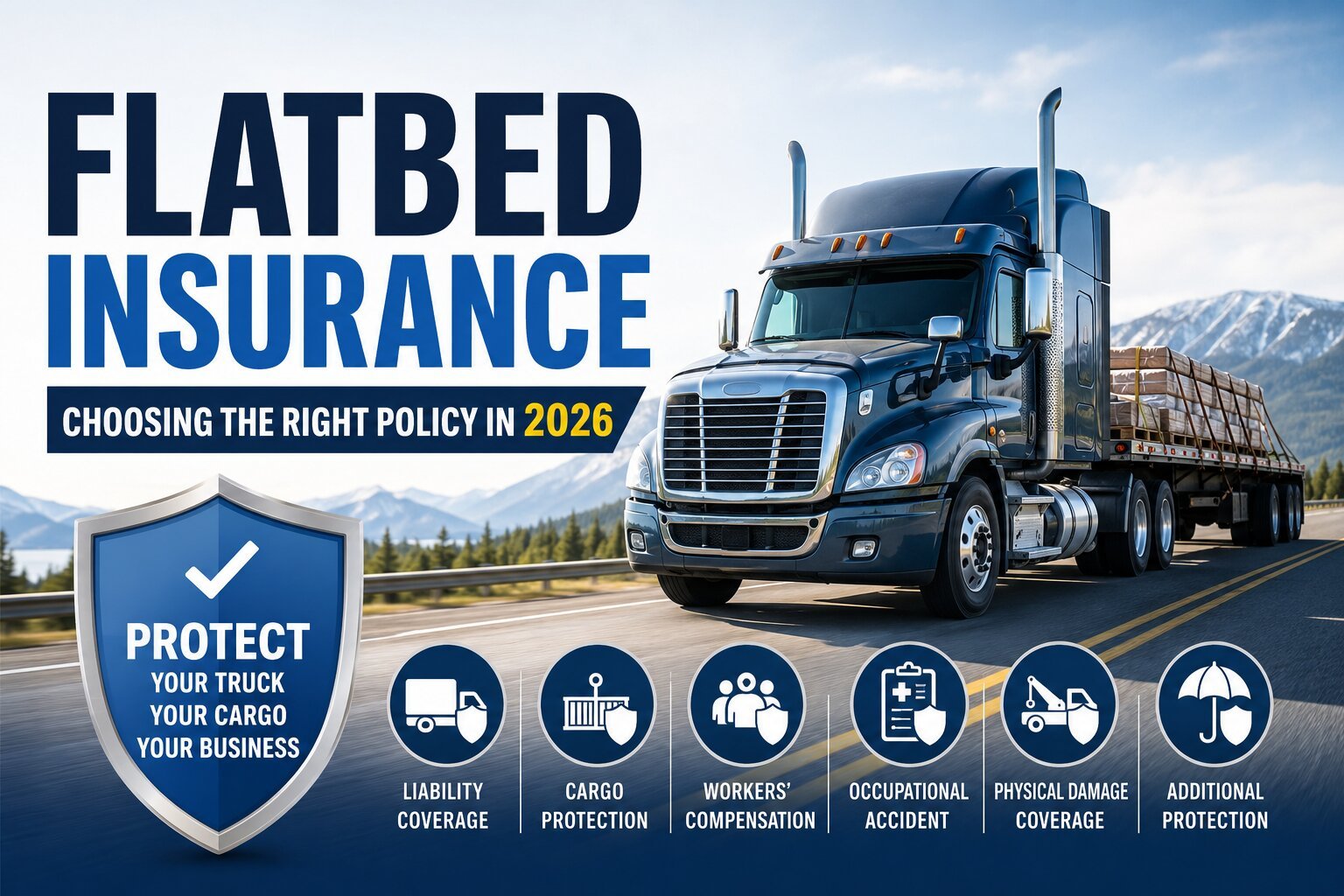
    Flatbed Insurance 2026: Choosing the Right Policy

    Flatbed insurance 2026 is designed to protect your truck, drivers, cargo, and business from accidents, damages, and other risks. It acts as a financial and legal safety net for your trucking operation.

    Quick Answer

    Flatbed insurance 2026 protects trucks, trailers, cargo, drivers, and businesses from financial losses caused by accidents, theft, damage, or legal claims. Coverage may include liability, physical damage, cargo insurance, workers’ compensation, occupational accident insurance, and bobtail insurance. Costs typically range from $3,000–$10,000 annually, depending on cargo type, truck value, driving history, coverage limits, and operating radius. Flatbed operators must also meet federal insurance requirements set by regulators. Comparing quotes, increasing deductibles, maintaining clean driving records, and choosing only necessary coverage can help reduce premiums while keeping your business protected.

    Seven Key Benefits of Flatbed Insurance

    • Property Damage Protection: Covers damage to your truck and trailers.
    • Bodily Injury Protection: Provides coverage if anyone is injured in an accident.
    • Trailer Damage Coverage: Helps recover costs if your trailer or a third-party trailer is damaged.
    • Cargo/Freight Protection: Covers loss or damage to the goods you’re transporting.
    • Accident Coverage: Serious accidents causing injury to drivers or third parties are protected.
    • Occupational Accident Insurance: Pays for medical expenses and lost wages if a work-related incident occurs.
    • Workers’ Compensation: Covers bodily injuries, wage loss, medical costs, and death benefits within policy limits for employees involved in work-related accidents.

    Flatbed insurance ensures that your business, employees, and assets are financially protected against the risks of operating on the road.

    How Flatbed Insurance Works

    Flatbed insurance 2026 is a set of policies designed to protect your truck, cargo, drivers, and anyone affected from accidents, damage, theft, vandalism, fire, natural disasters, and more.

    When an incident occurs that’s covered by your policy, the insurance company pays out within the coverage limits to help repair damages, replace lost cargo, or cover medical and legal costs.

    Flatbed Insurance Requirements for Business Owners and Owner-Operators

    Flatbed businesses must follow federal insurance regulations. The FMCSA sets minimum coverage limits based on truck weight, distance traveled, and cargo type. Heavier trucks and more hazardous cargo usually require higher insurance coverage.

    Here’s a summary of typical federal minimum requirements and estimated annual premiums:

    General Liability: $1 million coverage; $700–$7,000 per year

    Trucking Liability: $750,000 for interstate trucks; $2,500–$4,000 per tractor per year 

    Non-Trucking Liability: $250,000 coverage; $450–$5,000 per tractor per year

    Bobtail Insurance: $1,000,000 coverage; $350–$450 per tractor per year

    Physical Damage: Premiums depend on truck value; typically 2–5% of the truck’s actual or stated value 

    Motor Truck Cargo: $20,000–$100,000 coverage depending on state; $500–$1,000 per year

    Workers’ Compensation: Premium depends on cargo; around $2,500 per year 

    Occupational Accident Insurance: Premium varies by load; $1,600–$2,200 per year

    Meeting these requirements ensures your flatbed operation is legally compliant and financially protected against accidents, cargo loss, or other incidents. 

    Flatbed Insurance Cost

    Flatbed insurance 2026 premiums typically range from $3,000 to $10,000 per year, depending on several factors:

    Driver records: Clean driving histories help lower premiums. 

    Type of cargo: Hazardous or high-value loads increase costs.

    Value of equipment: The tractor and flatbed trailer’s worth affects your rate.

    Operating radius: Longer routes or interstate travel can raise premiums.

    Coverage, limits, and deductibles: More coverage or lower deductibles means higher costs.

    Credit history: Insurers may consider your credit score.

    Payment plan: How you pay your premium can influence the overall cost.

    If keeping premiums low is a priority, you can opt for minimum coverage with higher deductibles, but remember that in the event of an accident, you may have to pay out-of-pocket for damages not covered.

    Choosing an insurer who works to provide the best coverage at a reasonable rate is crucial, as insurance is often a significant part of your monthly operating costs. 

    Factors That Affect Flatbed Insurance Costs

    The cost of flatbed insurance isn’t just about finding the cheapest policy—it’s about getting coverage that fits your needs. Premiums depend on a combination of factors that insurers consider when calculating rates.

    Key factors that affect your insurance cost include:

    Ownership status: Whether you own or lease your truck.

    Cargo types: Hazardous or high-value loads increase premiums.

    Freight weights: Heavier loads can raise insurance costs. 

    Distance hauled: Longer or interstate routes often cost more.

    Truck value: More expensive trucks carry higher premiums. 

    Type of physical damage coverage: Comprehensive vs. limited coverage affects rates.

    Credit history: Drivers’ or owners’ credit scores can impact cost.

    Loss history: Previous claims can raise premiums.

    CDL and experience: Experienced, licensed drivers may lower risk.

    Deductible amount: Higher deductibles usually lower premiums.

    Coverage limits: More coverage or higher limits increase the cost.

    Understanding these factors helps you plan your budget and find the best balance between cost and protection.

    How to Find Affordable Flatbed Insurance

    Finding cheap flatbed insurance doesn’t mean cutting corners—it’s about getting the right coverage at a fair price. Premiums can be higher if you haul high-value, heavy, or hazardous cargo.

    Here are some tips to help you save:

    Compare Quotes: Get quotes from multiple insurance providers to find the best deal.

    Ask for Discounts: Many insurers offer discounts for safety programs or clean driving records.

    Pay Upfront: Paying your premium in full can sometimes lower costs.

    Choose the Right Coverage: Avoid overpaying for unnecessary coverage while ensuring essential protection.

    Increase Deductibles: Higher deductibles usually lower premiums.

    Shop Regularly: Keep an eye out for better rates or promotions from different insurers.

    Clean driver records and experienced CDL drivers also help reduce insurance costs, making it easier to get affordable coverage for your flatbed business.

    How Flatbed Insurance Protects Your Business

    The type of flatbed insurance you need depends on your operating status—whether you’re a leased driver, owner-operator, or independent owner-operator. Leased drivers may have some insurance requirements covered by the trucking company they work for.

    Common Types of Truck Insurance and Who Needs Them

    General Liability Insurance: Covers third-party property damage and bodily injury. Required for drivers with authority and motor carriers.

    Primary Trucking Liability: Protects against property damage and injuries caused by trucking accidents. Needed for drivers with authority and motor carriers.

    Non-Trucking Liability Insurance: Covers third-party damages when the truck is used for personal, non-business purposes. For leased drivers. 

    Bobtail Insurance: Covers damages to your truck from collisions, theft, vandalism, or natural disasters. For leased drivers.

    Physical Damage Coverage: Protects cargo and your truck against damage. Essential for all owner-operators and fleet owners.

    Motor Truck Cargo Insurance: Covers freight, commodities, or cargo against loss or damage from fire, collision, or other incidents. Needed by carriers transporting goods.

    Workers’ Compensation: Covers employees’ medical expenses and lost wages after a work-related injury or illness. Required for all trucking companies with employees.

    Flatbed insurance ensures your trucks, cargo, drivers, and business operations are protected from financial loss due to accidents, damages, or legal claims.

    Additional Important Insurance Coverages for Flatbed Owner-Operators and Fleet Owners

    To ensure extended protection for your flatbed business, consider the following coverages:

    Occupational Accident Insurance (OAIC): Protects employers and employees if an on-the-job injury occurs. Covers lost wages, medical expenses, and death benefits up to the policy limit. You can choose the deductible and disability coverage that fits your needs.

    Trailer Interchange Endorsement: Provides physical damage protection for third-party trailers you pull under a trailer interchange agreement. Covers fire, theft, vandalism, collision, or explosions.

    Hazmat Truck Insurance: Required for hauling hazardous materials. Liability coverage ranges from $1,000,000 to $5,000,000 per accident, depending on the material class.

    Trucking Umbrella Insurance: Covers uninsured exposures and gaps in your primary policies, increasing liability coverage. Always check the fine print, as some policies may exclude certain flatbed risks.

    Uninsured & Underinsured Motorist Coverage: 

    Uninsured Motorist

    Protects against accidents caused by drivers who have no liability insurance.

    Underinsured Motorist

    Covers costs when an at-fault driver’s insurance isn’t enough to pay for medical expenses of injured parties.

    These coverages provide an extra layer of financial protection, helping flatbed operators and fleet owners stay secure against unexpected accidents and losses.


  • eCapital Factoring for Truckers 

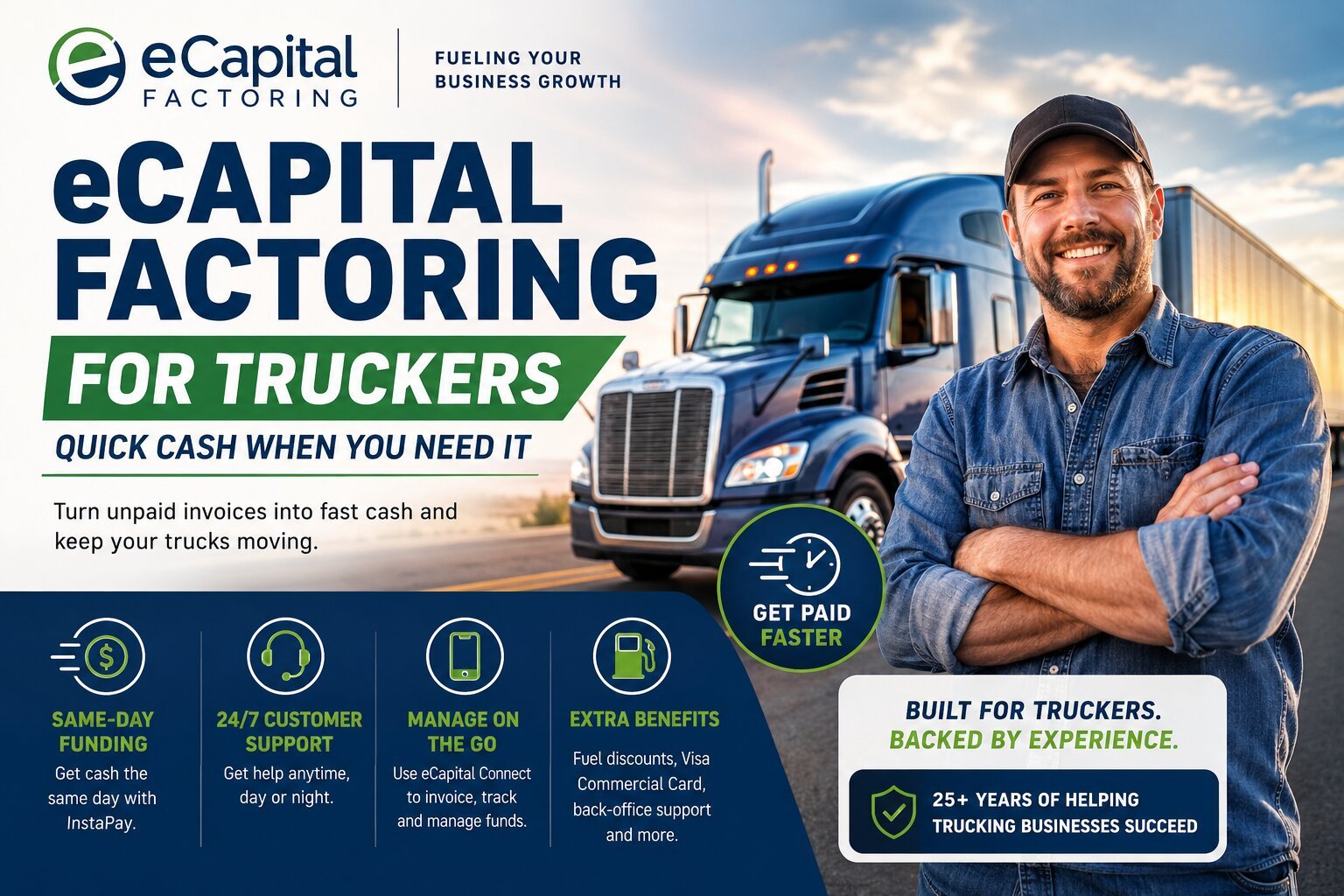
    eCapital Factoring for Truckers 

    Quick Cash When You Need It

    Looking for fast funding for your trucking business? eCapital Factoring helps keep your cash flow steady when clients delay payments. Explore its features, pricing, and customer feedback to decide whether it fits your business needs.

    Quick Answers

    eCapital Factoring for Truckers helps trucking businesses improve cash flow by turning unpaid invoices into quick funding, often on the same day through InstaPay. The company offers both recourse and non-recourse factoring, 24/7 customer support, fuel discounts, back-office services, and financial tools through the eCapital Connect app. While many truckers praise its fast funding and ease of use, some mention concerns about pricing transparency and contract termination fees. Overall, eCapital Factoring for Truckers can be a strong option for small trucking companies needing reliable cash flow support and flexible funding solutions.

    Should Your Trucking Business Consider eCapital Factoring?

    Running a small trucking business means dealing with constant expenses, and delayed payments can quickly create cash flow challenges. However, factoring services like eCapital help solve this problem by turning unpaid invoices into fast cash, so you can keep your trucks moving and your business operating smoothly.

    With more than 25 years of industry experience, eCapital has built a reputation for helping trucking businesses access funding quickly. Additionally, its services help companies manage the financial ups and downs common in trucking. As a result, businesses gain support when cash flow becomes tight.

    This guide explains eCapital’s freight factoring services, including key features, costs, and whether they make sense for your trucking operation.

    Understanding eCapital Factoring for Truckers

    eCapital designs its factoring services specifically for the trucking industry. If shippers or brokers delay payments, eCapital’s freight factoring helps you get paid faster by advancing funds against unpaid invoices. Moreover, you can choose between recourse and non-recourse factoring depending on your risk preference.

    Because eCapital targets small and medium-sized trucking companies, it emphasizes technology and convenience. Through the eCapital Connect portal and mobile app, you can submit invoices, track payments, and monitor cash flow from one platform.

    eCapital Factoring: Flexible Options for Truckers

    Understanding Recourse vs. Non-Recourse Factoring

    eCapital allows you to choose between recourse and non-recourse factoring options.

    With recourse factoring, fees usually stay lower. However, you become responsible for unpaid invoices after 90 days.

    On the other hand, non-recourse factoring shifts the risk of unpaid invoices to eCapital. Rates reportedly start around 0.5% per invoice. Therefore, this option may benefit businesses working with newer or less reliable customers because it helps protect cash flow.

    Get Cash Fast with Same-Day Funding

    When you need immediate funding, eCapital offers same-day payment after invoice approval. Additionally, the InstaPay feature can provide funds even outside standard banking hours.

    As a result, trucking businesses gain faster access to operating cash when expenses arise unexpectedly.

    Manage Finances Anywhere with eCapital Connect

    Truckers spend much of their time on the road, so managing finances remotely matters. Fortunately, eCapital’s Connect portal and mobile app simplify financial management.

    Using these tools, you can:

    • Submit invoices quickly
    • Check customer credit ratings
    • Transfer funds
    • Track financial activity in real time

    Consequently, you maintain better control over cash flow regardless of your location.

    Extra Services That Support Trucking Businesses

    Beyond factoring, eCapital provides several additional services designed to help trucking companies grow. These include:

    • Back-office support for billing and collections
    • Fuel discount programs
    • Load boards with integrated credit checks
    • Visa Commercial Cards for faster fund access
    • Lines of credit up to $2,500 per truck

    Because of these added features, eCapital appeals to businesses looking for broader financial support.

    Flexible Pricing and Costs

    eCapital uses customized pricing based on your business profile. Factors such as invoice volume and customer credit quality influence rates.

    Although the company does not publish exact pricing online, businesses that factor larger invoice volumes may qualify for lower rates. Therefore, comparing quotes remains important before signing an agreement.

    Pros and Cons of eCapital Freight Factoring

    Pros:

    Fast Funding:
    Businesses often receive same-day funding through InstaPay, which helps manage urgent expenses.

    24/7 Customer Support:
    Round-the-clock support allows truckers to resolve issues whenever they occur.

    Comprehensive Financial Tools:
    Additional benefits, including fuel programs, Visa Commercial Cards, and back-office services, increase overall value.

    Cons:

    Limited Pricing Transparency:
    Because rates are not listed publicly, comparing competitors becomes more difficult.

    Possible Additional Fees:
    Some users mention unexpected fees, which may frustrate businesses seeking straightforward pricing.

    Contract Termination Challenges:
    Ending agreements may involve difficulties or high termination costs, reducing flexibility.

    What Truckers Say About eCapital Freight Factoring

    Many trucking businesses praise eCapital for fast funding and dependable customer support. In particular, users appreciate the company’s responsiveness and easy-to-use platform.

    Customers shared comments such as:

    Roderick Hill:
    “They walked me through the process and made sure I knew how to navigate myself in the future. Great company!”

    Marla Iglesias:
    “Awesome team, easy app to invoice, perfect for small businesses needing extra cash.”

    Levon Coleman:
    “Very honest upfront, helpful sales rep, great support for new factoring companies.”

    These reviews suggest that many trucking companies value eCapital’s service quality and ease of use.

    Customer Concerns About eCapital Freight Factoring

    Despite positive feedback, some customers raise concerns about pricing transparency and service delays.

    Additionally, users mention:

    • Slow response times in certain situations
    • Difficult contract cancellations
    • Differences between expected and actual rates

    Therefore, reviewing contract terms carefully before committing remains essential.

    FAQs

    What makes eCapital different?

    eCapital stands out because it combines same-day funding, 24/7 support, and user-friendly financial tools tailored for trucking businesses.

    How quickly can I get funded?

    Businesses often receive funding on the same day invoices gain approval through InstaPay.

    What are the costs?

    Costs vary depending on invoice volume and customer credit. Since exact rates are not publicly listed, requesting a quote helps clarify pricing.

    Does eCapital offer fuel cards?

    Yes. eCapital provides fuel cards with discounts, adding extra savings opportunities.

    Can eCapital support long-term growth?

    Yes. The company offers scalable solutions designed to support growing trucking businesses.

    Is eCapital suitable for new freight brokers?

    Yes. New brokers often benefit from improved cash flow and financial management tools.

    How do I apply?

    You can complete an online application and typically receive a response quickly.

    Does eCapital offer non-recourse factoring?

    Yes. Non-recourse factoring transfers the risk of non-payment to eCapital.

    Which industries does eCapital serve?

    Although trucking remains a primary focus, eCapital also works with industries such as healthcare, staffing, and consumer goods.

    Final Thoughts: Should You Choose eCapital?

    eCapital Factoring provides fast funding, modern technology, and strong support, making it a compelling option for trucking businesses seeking better cash flow management.

    Although some concerns exist regarding pricing transparency and potential hidden fees, the overall service package remains competitive. Furthermore, new customers may qualify for a 90-day free trial, allowing businesses to evaluate the service before making a long-term commitment.

    Ultimately, if you want faster access to cash and additional financial tools to support your trucking company, eCapital deserves consideration.

  • Reefer Truck Insurance

    Reefer Truck Insurance

    Purpose and Importance

    What Is Reefer Insurance For?

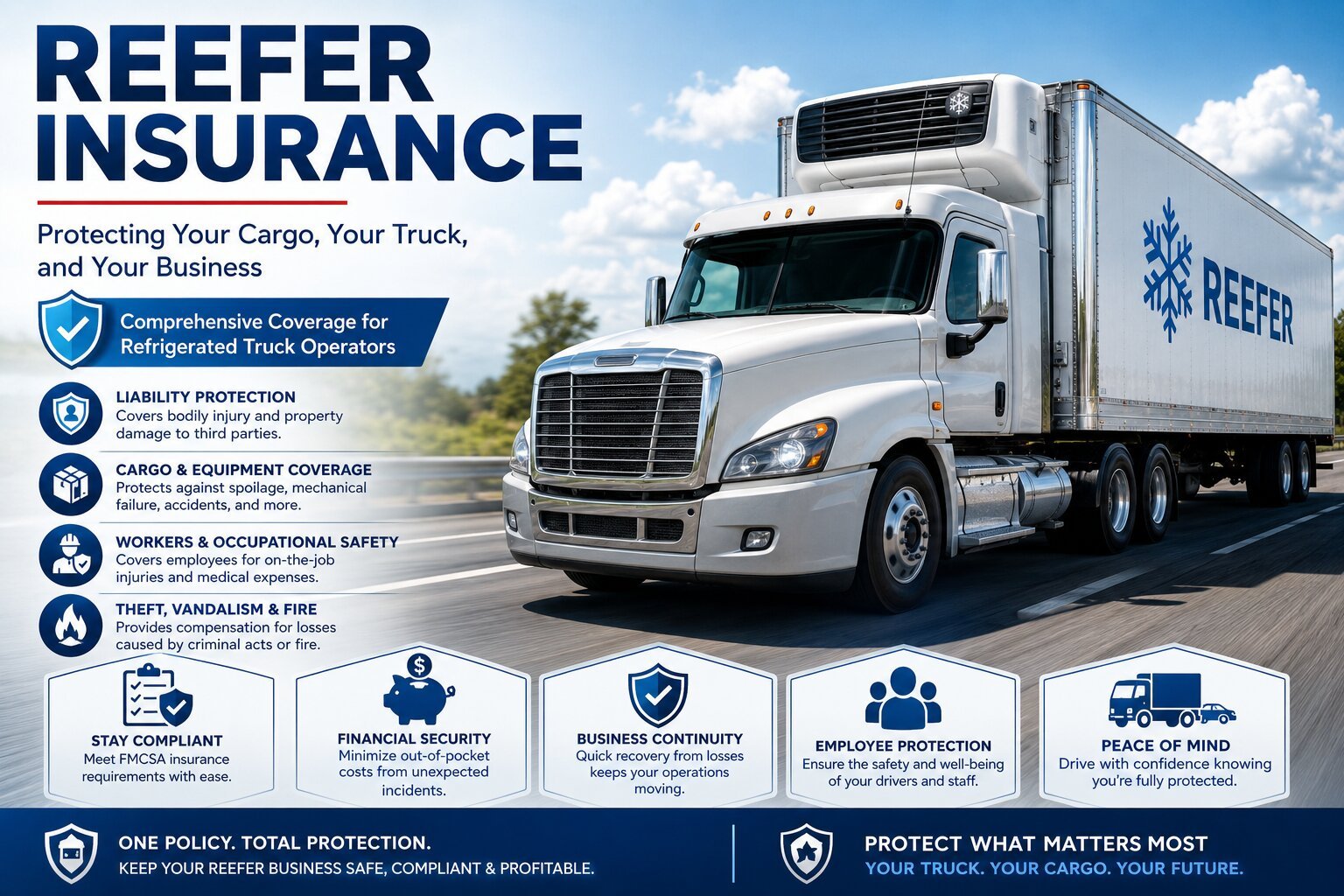
    Reefer insurance is a specialized set of insurance policies designed to protect refrigerated truck (reefer) operators, their vehicles, cargo, employees, and third parties from losses caused by accidents, equipment failure, or unexpected incidents.

    Quick Answers

    Reefer truck insurance protects refrigerated trucking businesses from financial losses caused by accidents, cargo spoilage, theft, equipment damage, and liability claims. It typically includes trucking liability, cargo insurance, physical damage coverage, workers’ compensation, and non-trucking liability. Reefer insurance is essential for owner-operators and fleet owners transporting temperature-sensitive freight because it helps cover repair costs, spoiled cargo, employee injuries, and third-party damages. Insurance costs vary based on cargo type, truck value, driving history, coverage limits, operating radius, and deductibles. Choosing the right reefer insurance policy ensures FMCSA compliance, reduces business risks, and keeps your refrigerated freight operations running smoothly and securely.

    Why It’s Essential:
    Operating a reefer truck involves unique risks — from temperature fluctuations to cargo spoilage — making comprehensive insurance coverage crucial for financial and legal protection.

    What Reefer Insurance Covers:

    Third-Party Liability: Protects against injury or damage claims from others.

    Cargo and Equipment Damage: Covers losses due to spoilage, mechanical failure, or accidents.

    Workers’ Compensation & Occupational Accident: Safeguards drivers and employees in case of injury on the job.

    Theft, Vandalism, and Fire: Provides compensation for losses caused by criminal acts or fire incidents.

    In short, reefer insurance ensures you stay protected from costly disruptions — keeping your refrigerated freight business safe, compliant, and financially secure.

    How Reefer Insurance Works

    Reefer insurance operates by providing financial protection within the coverage limits outlined in your policy. It safeguards both your refrigerated trucking equipment and third parties involved in an accident or incident.

    Coverage Details:

    Third-Party Protection: Covers bodily injury or property damage caused to others during operations.

    Cargo Protection: Ensures compensation for damaged or spoiled freight resulting from reefer unit failure or other covered events.

    Equipment & Tractor Coverage: Protects against losses due to vandalism, theft, fire, or natural disasters.

    How Claims Work: When a covered incident occurs, you file a claim with your insurance provider. After review, the insurer compensates you according to the policy terms and coverage limits.

    Reefer Insurance Requirements for Owners and 

    Owner-Operators

    Reefer truck businesses operating in the U.S. must comply with insurance coverage limits set by the Federal Motor Carrier Safety Administration (FMCSA). These limits depend on factors such as truck weight, hauling distance, and cargo type. Generally, heavier trucks and higher-risk cargo require greater coverage and higher premiums.

    Below is a summary of the federal minimum insurance requirements for reefer operators:

    General Liability:

    • Coverage limit: $1,000,000
    • Estimated annual premium: $700–$7,000

    Trucking Liability (Interstate):

    • Coverage limit: $750,000
    • Estimated annual premium: $2,500–$4,000 per tractor

    Non-Trucking Liability:

    • Coverage limit: $250,000 
    • Estimated annual premium: $450–$5,000 per tractor

    Bobtail Insurance:

    • Coverage limit: $1,000,000
    • Estimated annual premium: $350–$450 per tractor

    Physical Damage:

    • Based on the truck’s actual or stated value
    • Premiums typically 2%–5% of the truck’s value

    Motor Truck Cargo:

    • Coverage limit: $20,000–$100,000 (varies by state)
    • Estimated annual premium: $500–$1,000

    Workers’ Compensation:

    • Depends on cargo type
    • Estimated annual premium: around $2,500

    Occupational Accident Insurance:

    • Based on type of load
    • Estimated annual premium: $1,600–$2,200

    These insurance types together ensure comprehensive protection for reefer truck owners — covering liability, equipment, cargo, and personnel.

    In short, reefer insurance acts as a safety net — covering repair costs, cargo loss, and third-party liabilities so your operations can recover quickly and continue running smoothly.

    Reefer Insurance Cost

    The annual premiums for reefer truck insurance typically range between $1,000 and $10,000, depending on several key factors. Your overall cost is influenced by your operations, driving history, and policy structure.

    Factors Affecting Reefer Insurance Premiums:

    Driver’s record: Clean driving history helps lower your premium.

    Type of cargo: Riskier or perishable loads can increase costs.

    Trailer or equipment value: More expensive equipment requires higher coverage.

    Operating radius: Long-haul operations generally cost more to insure.

    Coverage type and limits: Broader coverage and higher limits increase premiums.

    Deductible amount: Higher deductibles lower premiums but raise out-of-pocket expenses after a claim.

    Credit history: Good credit can help reduce premium rates.

    Payment plan: Annual payments are often cheaper than monthly installments.

    Tips for Managing Costs:

    If you’re seeking a budget-friendly reefer insurance policy, you can compare quotes online through platforms like CoverWallet, or work with an insurance agent to customize a plan with a low limit, high deductible, or minimal coverage — though this comes with higher risk.

    Keep in mind that a low-limit or high-deductible policy might not offer enough protection in case of a serious accident. Paying a large deductible after a major incident can cause significant financial strain.

    Because insurance premiums are a major overhead expense, owner-operators should prioritize finding a balance between affordability and comprehensive protection — choosing a policy that offers solid coverage, fair premiums, and reasonable deductibles. 

    Factors That Affect the Cost of Reefer Insurance Policies

    What are the factors that affect the cost of reefer insurance?

    As an owner-operator, finding the right reefer insurance is about balance — not just choosing the cheapest option, but selecting a policy that truly protects you in multiple situations. The cost of reefer insurance varies based on several factors specific to your operation and risk level.

    Key Factors That Affect Insurance Premiums:

    Ownership Status: Whether you lease or own your truck and trailer can influence premium amounts.

    Cargo Types: The type of perishable goods you transport plays a major role; higher-value or sensitive items raise the risk.

    Freight Weights: Heavier loads typically result in higher premiums due to increased accident risk.

    Distance Hauled: Long-haul routes mean more time on the road, increasing exposure to accidents or loss.

    Truck Value: The more expensive your truck or trailer, the higher the cost to insure it.

    Type of Physical Damage Coverage: Comprehensive vs. limited coverage affects the total premium.

    Driver or Owner’s Credit History: A strong credit history can reduce premiums, while poor credit can raise them.

    Loss History: Prior insurance claims or accidents can significantly increase costs.

    CDL and Driving Experience: Experienced drivers with a clean record pay less than new or high-risk drivers.

    Deductible Amount: Higher deductibles lower premiums but increase out-of-pocket expenses after an incident.

    Coverage Limits: The higher your policy limits, the more you’ll pay for coverage — but with greater financial protection.

    A well-balanced reefer insurance plan should fit your business size, cargo risk, and budget — providing reliable protection without unnecessary costs.

    Finding Cheap Reefer Insurance

    How to Find Affordable Reefer Insurance?

    Securing low-cost reefer insurance can be challenging, as several factors influence premium rates. Understanding these factors and taking the right steps can help you reduce your overall insurance expenses without sacrificing essential coverage.

    Key Factors to Consider:

    Heavy loads, long-haul routes, and the transportation of sensitive or hazardous cargo all increase the cost of insurance. New MC (Motor Carrier) owners often pay higher premiums, while experienced drivers with clean records benefit from lower rates.

    Tips to Get Affordable Reefer Insurance:

    Compare Multiple Quotes: Always shop around and get quotes from several insurance companies to find the most competitive rates.

    Ask for Discounts: Inquire about available discounts for safe driving, bundled policies, or upfront payments.

    Pay Premiums in Full: Paying your entire annual premium upfront often reduces overall costs.

    Choose the Right Coverage: Avoid paying for unnecessary add-ons while ensuring your essential risks are covered.

    Increase Deductibles: Opting for a higher deductible can significantly lower your monthly or annual premium — just make sure you can afford it if an incident occurs.

    Stay Updated: Regularly check for new insurance options or promotional offers from insurers.

    By maintaining a clean driving record, choosing the right level of coverage, and actively comparing policies, you can secure a more affordable reefer insurance plan that fits your business needs.

    Reefer Insurance Protects Your Trucking Business

    How Does Reefer Insurance Protect You?

    Reefer insurance provides essential financial protection for trucking professionals—whether you’re an independent owner-operator or leased under a carrier. The type of coverage you need depends on your business status and operational risks.

    Coverage Based on Operator Type:

    Leased owner-operators often have some insurance needs covered by their carrier, while independent owner-operators must secure full coverage on their own.

    Below are the most common types of truck insurance, along with what they cover and who they’re meant for:

    General Liability: Covers third-party bodily injury and property damage caused by your driver or equipment. Ideal for motor carriers and drivers with authority.

    Primary Trucking Liability: Provides coverage for physical injury, bodily harm, and property damage resulting from trucking accidents. Required for motor carriers and drivers with their own authority.

    Non-Trucking Liability: Covers third-party damages when the truck is used for non-business (personal) purposes. Designed for leased drivers.

    Physical Damage Coverage: Pays for damage to your truck, trailer, or equipment due to collision, fire, theft, or vandalism. Recommended for owner-operators and fleet owners.

    Motor Truck Cargo Insurance: Protects the cargo or freight you’re transporting against losses from fire, collision, or other covered events. Suitable for carriers responsible for cargo.  

    Bobtail Insurance: Covers damages to your truck when it’s operated without a trailer or not under dispatch. Intended for leased drivers.

    Workers’ Compensation Insurance: Covers employees injured or disabled while working, paying for medical bills and lost wages. Required for all trucking companies with employees.

    In Summary:

    Reefer insurance shields your business from financial loss due to accidents, cargo damage, theft, or employee injury. By understanding your operational setup and choosing the right combination of coverages, you ensure your trucking business stays protected and compliant.

    Other Insurance Coverages Reefer Owners or Owner-Operators Should Consider for Extended Protection

    To ensure full protection and minimize financial risks, reefer owners and owner-operators should consider adding the following insurance coverages to their portfolio:

    Occupational Accident Insurance Coverage (OAIC):

    This coverage provides financial protection for job-related injuries sustained by employers or employees. It helps cover wages, salaries, medical expenses, and death benefits up to the policy limit.
    A key advantage of OAIC is its flexibility — reefer businesses can choose their preferred deductible amount and customize their disability coverage level based on their needs.

    Trailer Interchange Endorsement:

    This endorsement protects you when hauling a trailer you don’t own. It provides coverage if a third-party trailer is damaged due to theft, vandalism, fire, explosion, or collision. It’s a must-have for owner-operators who regularly haul trailers under interchange agreements.

    Hazmat Truck Insurance:

    For reefer operators transporting hazardous materials, federal law mandates higher liability limits ranging from $1,000,000 to $5,000,000 per accident, depending on the type of materials hauled. This coverage ensures compliance and protection against costly accidents involving hazardous cargo.

    Trucking Umbrella Insurance:

    Umbrella insurance provides an extra layer of liability protection beyond the limits of your primary policies. It covers potential gaps and extends your liability coverage for major incidents.
    However, it’s important to carefully review the policy terms — some umbrella policies exclude specific risks, so understanding the exclusions before purchasing is essential.

    Uninsured & Underinsured Motorist Coverage:

    Uninsured Motorist Coverage protects you if you’re involved in an accident with an at-fault driver who has no insurance.

    Underinsured Motorist Coverage helps when the at-fault driver’s liability limits are too low to cover the medical or repair costs from the accident.

    In Summary:

    Extended insurance coverage ensures reefer owners and operators are financially protected in almost every possible situation — from on-the-job injuries to third-party trailer damage, hazardous cargo risks, and uninsured drivers. Investing in these policies strengthens your risk management and keeps your operations secure.

  • Love’s Express Fuel Card Review

    Love’s Express Fuel Card Review

    A Fleet Owner’s Guide

    Discover how the Love’s Express Fuel Card can benefit your fleet. It offers diesel fuel discounts, tools for fleet management, integration with truck care services, and secure fueling options for drivers on the road.

    Quick Answer

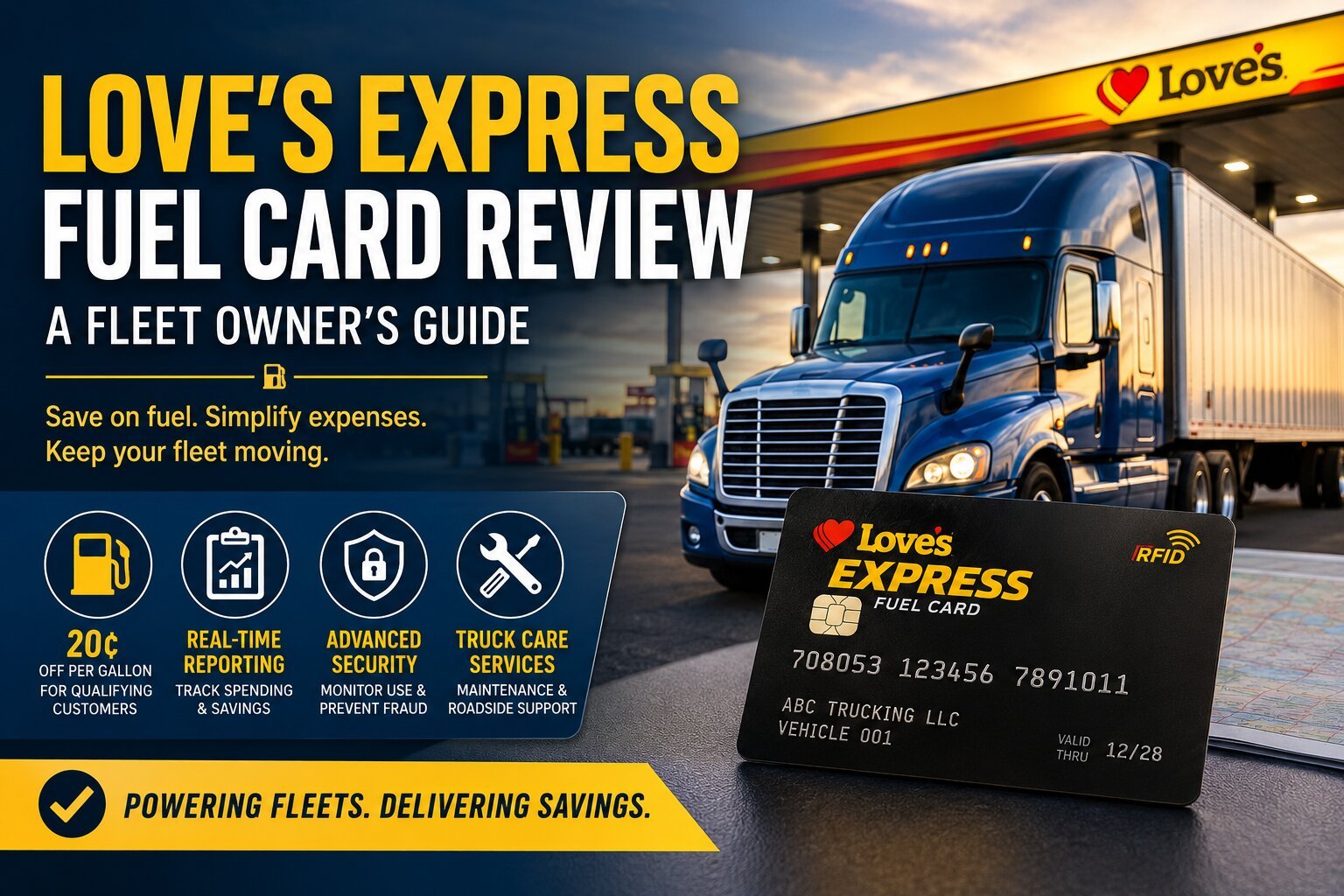
    The Love’s Express Fuel Card is a strong option for small fleets and owner-operators who want fuel savings and easier expense management. It offers up to 20¢ off per gallon for qualifying customers, real-time reporting tools, RFID cardless fueling, and access to Love’s Truck Care services nationwide. Fleet owners can monitor spending, improve security, and simplify maintenance tracking in one system. However, fleets operating outside Love’s network may need broader coverage from competitors like WEX or Comdata. Overall, it’s a reliable and cost-effective fuel card for trucking businesses focused on convenience, security, and operational efficiency.

    What Makes Love’s Express Fuel Card Stand Out?

    Fuel costs can add up quickly — the average trucker spends over $60,000 a year on fuel. For small fleet owners and independent drivers, that’s a major expense, making the choice of a fuel card very important.

    Since 1964, Love’s has been a trusted name in trucking, offering clean stops, helpful staff, and services designed for drivers. Their Express Fuel Card aims to help fleets save money and better manage fuel expenses.

    With so many fuel card options available, it’s important to know if Love’s card is worth it. After reviewing the card and speaking with users, this guide breaks down the real savings, network coverage, and practical benefits. It will help you decide if Love’s Express Fuel Card should be part of your fleet’s toolkit.

    How the Love’s Express Fuel Card Works

    The Love’s Express Fuel Card is built to make paying for fuel and services easier for truckers and small fleet owners. Instead of juggling cash, personal cards, or stacks of receipts, the Express Billing Program handles everything in one simple system.

    Here’s what it offers:

    Fuel and More: Pay for fuel, in-store items, and maintenance services — all tracked in one place.

    Nationwide Coverage: With over 600 Love’s locations and partner networks, your fleet is covered wherever your route takes you.

    Cardless Fueling Technology: RFID tags allow drivers to fuel up without a physical card, making the process fast, secure, and convenient.

    For small fleets, time and cost savings are crucial. The Love’s Express Fuel Card streamlines expenses while keeping every transaction secure and easy to manage.

    Key Benefits for Small Trucking Businesses

    Save Big on Fuel Costs

    One of the main advantages of the Love’s Express Fuel Card is the guaranteed 20¢ per gallon discount for qualifying customers. For truckers spending thousands on fuel each month, these savings add up quickly.

    But the benefits go beyond fuel discounts. Love’s offers competitive pricing on fuel, plus potential savings on in-store purchases, truck care services, and more. For small fleet owners, these discounts can make a real difference, helping your business move from breaking even to turning a profit.

    Enhanced Fleet Management with Real-Time Reporting

    Managing fuel expenses across multiple drivers can be challenging, especially when running a busy fleet. Love’s Express Fuel Card simplifies this with real-time reporting tools, giving you a clear view of where every dollar is spent.

    If a driver is fueling more often than expected, you can spot it instantly and take action before it impacts your budget. Customizable reports let you track expenses by driver, truck, or location, keeping your fleet’s finances transparent and under control.

    The card also integrates with popular fleet management systems like TMW and McLeod, reducing manual data entry and errors. These tools help small fleet owners make smarter decisions and prevent unnecessary spending.

    Top-Notch Security Features

    With fuel costs rising, protecting your fleet from fraud is essential. The Love’s Express Fuel Card offers several security features to keep your spending safe:

    Customizable Purchase Policies: Control exactly what your drivers can buy.

    24/7 Monitoring: Track when and where fueling occurs in real time.

    Cardless Fueling: Fuel without a physical card, reducing the risk of lost or stolen cards while saving time.

    These features give fleet owners peace of mind while keeping fuel spending secure 

    Extra Benefits Worth Knowing

    Access to Total Truck Care Services

    Love’s makes it easy to handle maintenance and repairs while on the road. With the Love’s Express Fuel Card, you can access truck care services such as oil changes, TirePass, and roadside assistance at Love’s locations nationwide. These services save time, reduce downtime, and help keep your fleet running smoothly.

    Love’s Bundle Advantage

    Pairing the Love’s Express Card with other Love’s programs — like factoring or fuel discount plans — unlocks even more savings. For example, combining it with Love’s factoring services helps improve cash flow while reducing fuel costs.

    For fleet owners aiming to get the most value, this bundle approach is a smart and efficient choice. 

    Driver Convenience on the Road

    Love’s is built with drivers in mind. Their travel stops provide everything from fresh food to essential supplies, making life on the road more comfortable.

    With the Love’s Express Fuel Card, drivers can easily pay for these items, while fleet owners maintain full visibility and control. Using the mobile management tools, you can track spending, set limits, and manage purchases — all in real time.

    Limitations to Consider Before Applying

    While the Love’s Express Fuel Card delivers strong value for many fleets, it may not be ideal for every trucking business. Here are a few factors to consider before applying:

    1.Not All Fleets Qualify for Top Discounts
    The 20¢ per gallon discount applies only to new qualifying customers. Fleets that don’t meet Love’s criteria might receive smaller savings.

    2.Limited Acceptance Outside the Love’s Network
    This card is most effective for routes that regularly stop at Love’s locations. If your trucks frequently fuel outside that network, you may need an additional card for broader coverage. 

    3.Integration and Compatibility
    Ensure the Love’s Express Card aligns with your fleet’s systems. If your business relies on specific reporting or accounting tools not supported by Love’s back-office integrations, it may create operational challenges.

    How Does It Compare to Competitors?

    The Love’s Express Fuel Card distinguishes itself with RFID-based cardless fueling technology, offering faster transactions and enhanced security — a combination that traditional fuel cards often lack. This not only minimizes fraud risks but also improves efficiency for fleets that value safety and convenience.

    Another major advantage is its integration with Love’s Truck Care services, allowing small fleet owners to manage fuel and maintenance in one system. This makes it especially useful for businesses that prefer an all-in-one solution.

    However, the card’s value depends heavily on route coverage. Fleets that frequently operate outside Love’s network may find WEX Fleet One or Comdata more suitable alternatives.

    WEX Fleet One: Offers detailed fuel tax reporting and advanced spending controls.

    Comdata: Provides wider acceptance, powerful analytics, and additional loyalty benefits.

    Choosing the right card ultimately comes down to your fleet’s travel routes, management needs, and spending priorities.

    Who Should Apply for the Love’s Express Fuel Card?

    The Love’s Express Fuel Card is ideal for small fleet owners, new carriers, and independent truckers who want to streamline fuel expenses and improve cost control.

    With features like fuel discounts, real-time reporting, and integration with Love’s Truck Care services, it’s especially beneficial for fleets managing multiple drivers or looking to consolidate expenses under one system. 

    How to Apply

    Applying for the Love’s Express Card is quick and can be completed online. Once approved, you’ll receive your Love’s fuel card or RFID tag, allowing for easy and secure fueling.

    Love’s customer service team is also available to assist you through setup and onboarding, ensuring you get the most from your account.

    If you’re searching for a reliable fuel card that simplifies operations, saves money, and enhances fleet control, Love’s Express Fuel Card is a solid choice.

    Final Thoughts on the Love’s Express Fuel Card

    The Love’s Express Fuel Card is a strong choice for small fleets and owner-operators looking to save money and streamline operations. It offers diesel discounts, real-time expense tracking, and advanced security features that make managing a fleet simpler and safer.

    Its integration with Love’s Total Truck Care services adds even more value, providing maintenance and roadside support all in one network — a big advantage for drivers who rely on Love’s travel stops.

    However, if your routes often take you outside Love’s fueling network, or if you need broader nationwide coverage, it’s worth comparing options like WEX Fleet One or Comdata before deciding.

    Overall, the Love’s Express Card stands out as a cost-effective and reliable fuel management solution. If you want to save on fuel and reduce administrative hassles, consider starting your Love’s Express Fuel Card application today.

  • RTS Fuel Card Review

    RTS Fuel Card Review

    Is the RTS Fuel Card Worth It? Here’s What You Should Know

    Managing fuel costs is one of the biggest challenges for trucking companies, especially small fleets. That’s where fuel cards come in — they help drivers save money, track expenses, and simplify operations. One option that’s getting a lot of attention is the RTS Fuel Card.

    This card promises solid fuel discounts, easy account management, and wide acceptance across truck stops nationwide. But like any business tool, it has both pros and cons.

    In this guide, we’ll break down what makes the RTS Fuel Card stand out, where it works, and what to consider before signing up. By the end, you’ll have a clear idea of whether this card is the right fit for your trucking company.

    Quick Answer

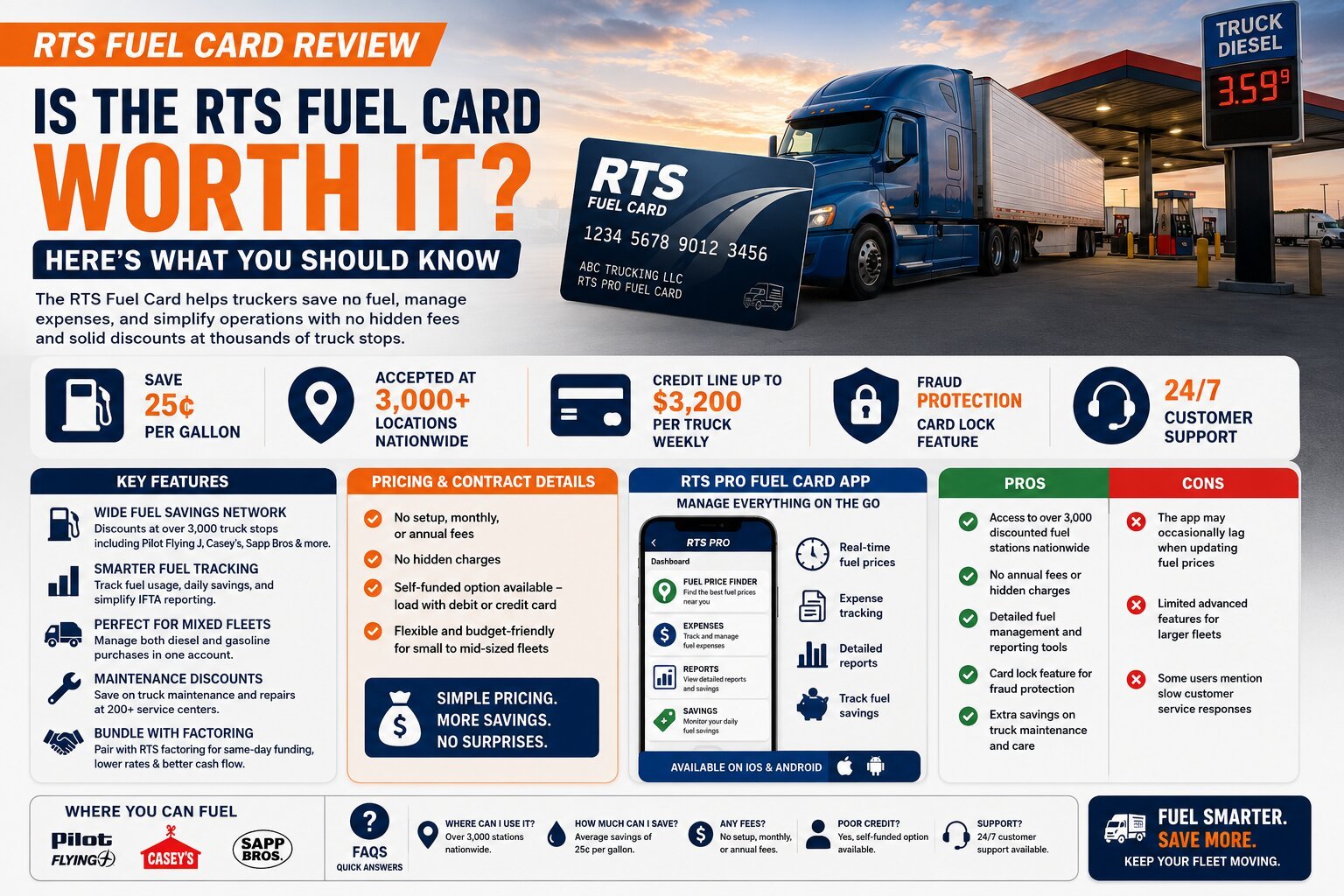
    The RTS Fuel Card is a solid option for small and mid-sized trucking fleets looking to save on fuel and maintenance costs. It offers discounts at over 3,000 truck stops nationwide, averaging around 25¢ off per gallon. With no setup or annual fees, detailed fuel tracking tools, fraud protection, and 24/7 customer support, it helps simplify fleet management and control expenses. RTS also provides a self-funded option for drivers with lower credit scores. While the app may occasionally lag and larger fleets may want more advanced features, the RTS Fuel Card remains a practical and budget-friendly solution for owner-operators and growing fleets.

    Why Truckers Choose the RTS Fuel Card

    The RTS Fuel Card helps fleets cut down on fuel expenses, lower maintenance costs, and manage spending without hidden fees. It’s designed for small to medium fleets that want straightforward savings and better control over their day-to-day expenses.

    What Is the RTS Fuel Card and How Does It Work?

    The RTS Fuel Card is built to help truckers cut down on fuel expenses and keep their cash flow steady. It offers fuel discounts at more than 3,000 truck stops across the U.S., including well-known names like Pilot Flying J, Casey’s, and Sapp Bros.

    On average, drivers save about 25 cents per gallon, which can lead to big savings for fleets that fill up often.

    Another handy feature is the credit line—up to $3,200 per truck each week. This gives fleets more breathing room when managing fuel costs and cash flow.

    If credit is a concern, RTS also provides a self-funded option. You can load the card using a debit or credit card, so even if your credit score isn’t great, you can still take advantage of the program.

    Keep in mind, though, that not every route passes through these partner locations. Before signing up, make sure the card’s fuel network matches your usual routes.

    Key Features of the RTS Fuel Card

    The RTS Fuel Card comes with several features that make managing your fleet easier and more cost-efficient.

    1. Wide Fuel Savings Network

    RTS gives you access to fuel discounts at over 3,000 locations nationwide. This can make a noticeable difference in your overall fuel expenses.

    However, the number of stations available may depend on where your routes take you. It’s a good idea to check if your regular stops are part of the RTS network before applying.

    2.Smarter Fuel Tracking

    With detailed reporting tools, you can see how much fuel your drivers are using, track daily savings, and simplify IFTA reporting. These features are great for improving efficiency and staying compliant. However, if you run a smaller operation, you might find some of these tools more advanced than you actually need.

    3. Perfect for Mixed Fleets

    If your fleet uses both gasoline and diesel, the RTS Mixed Fleet Card is a big plus. It lets you manage all fuel purchases in one place, making it easier to keep track of fuel efficiency across different vehicle types.

    4. Strong Fraud Protection

    Fuel card fraud is a real risk, but RTS helps protect your business with a card lock feature. If a card is ever lost or stolen, you can instantly freeze it to stop unauthorized use — a simple but powerful safeguard for your fleet.

    And if you’re worried about credit approval, RTS also offers a self-funded version. You can load money onto the card using a debit or credit card, making it a flexible choice for truckers with any credit background.

    5. 24/7 Customer Service

    RTS offers round-the-clock customer support, so help is always available when you need it. Whether it’s a late-night issue or a problem on the road, fleet managers and drivers can reach out anytime. This is especially helpful for trucking companies that run across multiple time zones.

    6. Maintenance Discounts

    With the RTS Fuel Card, you can also save money on maintenance and truck repairs at more than 200 service centers, including Southern Tire Mart and Boss Shop. These discounts can add up on routine services like oil changes, tires, and general truck care, helping fleets keep costs down.

    7. Bundle with Factoring for More Savings

    RTS lets you bundle your fuel card with their factoring services, offering a smarter way to manage cash flow. By combining both, you can access same-day funding, lower fuel card rates, and a more streamlined way to handle your fleet’s finances. 

    Pricing and Contract Details

    The RTS Fuel Card keeps things simple with no setup, monthly, or annual fees. This transparency makes it a great choice for small fleets and owner-operators who need to manage their budgets carefully. With no hidden charges, you’ll always know what to expect when planning expenses.

    If you’re worried about credit approval, RTS also offers a self-funded option. You can load money onto the card using a debit or credit card, giving you flexibility and control even if your credit history isn’t perfect.

    For larger fleets, though, it might be worth comparing RTS with other cards like Comdata or TCS, which may provide more flexible payment terms or additional rewards programs.

    Overall, the RTS Fuel Card works best for small to medium-sized fleets looking for straightforward savings without complicated fees or contracts. Still, it’s smart to compare pricing and benefits before making your final decision.

    RTS Pro Fuel Card App – What You Need to Know

    The RTS Pro App makes managing your fuel costs easier for both drivers and fleet managers. It offers real-time fuel price tracking, helping you find the best fuel deals along your route without wasting time or money.

    Beyond price tracking, the app also lets you monitor expenses, review detailed reports, and track fuel savings—all in one place. It’s available on both iOS and Android, so you can access it no matter what device you use.

    Pros and Cons of the RTS Fuel Card

    ✅ Pros

    • Access to over 3,000 discounted fuel stations nationwide
    • No annual fees or hidden charges
    • Detailed fuel management and reporting tools
    • Card lock feature for fraud protection
    • Extra savings on truck maintenance and care

    ❌ Cons

    • The app may occasionally lag when updating fuel prices 
    • Limited advanced features for larger fleets
    • Some users mention slow customer service responses

    FAQs About the RTS Fuel Card

    Where can I use the RTS Fuel Card?

    You can use the RTS Fuel Card at over 3,000 stations nationwide, including major stops like Pilot Flying J, Sapp Bros, and Casey’s. Be sure to check if these locations match your usual routes before signing up.

    How much can I save per gallon?

    With the RTS Fuel Card, you can save an average of 25¢ per gallon. For fleets that fuel up regularly, these savings can add up fast over time.

    Are there any fees?

    No — the RTS Fuel Card has no setup, monthly, or annual fees. It’s a simple, budget-friendly option with no hidden costs.

    Can I qualify if I have poor credit?

    Yes. RTS offers a self-funded version of the card that lets you load money using a debit or credit card, so you can still use it even if your credit score isn’t strong.

    How does it help with fleet management?

    The card includes fuel tracking, daily savings reports, and IFTA reporting tools, making it easy to monitor spending and stay compliant — especially for small and mid-sized fleets. 

    Is customer support available?

    Absolutely. RTS provides 24/7 customer support, so help is always available whether you’re on the road or managing things from your office. 

    Can I bundle it with other services?

    Yes. You can bundle the RTS Fuel Card with RTS’s factoring services to unlock extra savings, same-day funding, and smoother cash flow management for your fleet.

    Is the RTS Fuel Card a Good Fit for Your Fleet?

    The RTS Fuel Card is a solid choice for small to mid-sized fleets that want to save on fuel and maintenance without dealing with hidden fees. It offers reliable discounts, truck care savings, and easy-to-use reporting tools that make managing expenses simpler.

    That said, if your fleet needs more advanced features or access to a larger fuel network, it’s worth comparing RTS with other cards like the WEX Fleet One EDGE Card or AtoB Fuel Card, which may offer extra perks and wider coverage.

  • Shell Fleet Cards Review

    Shell Fleet Cards Review

    Are Shell Fleet Cards Right for Your Fleet?

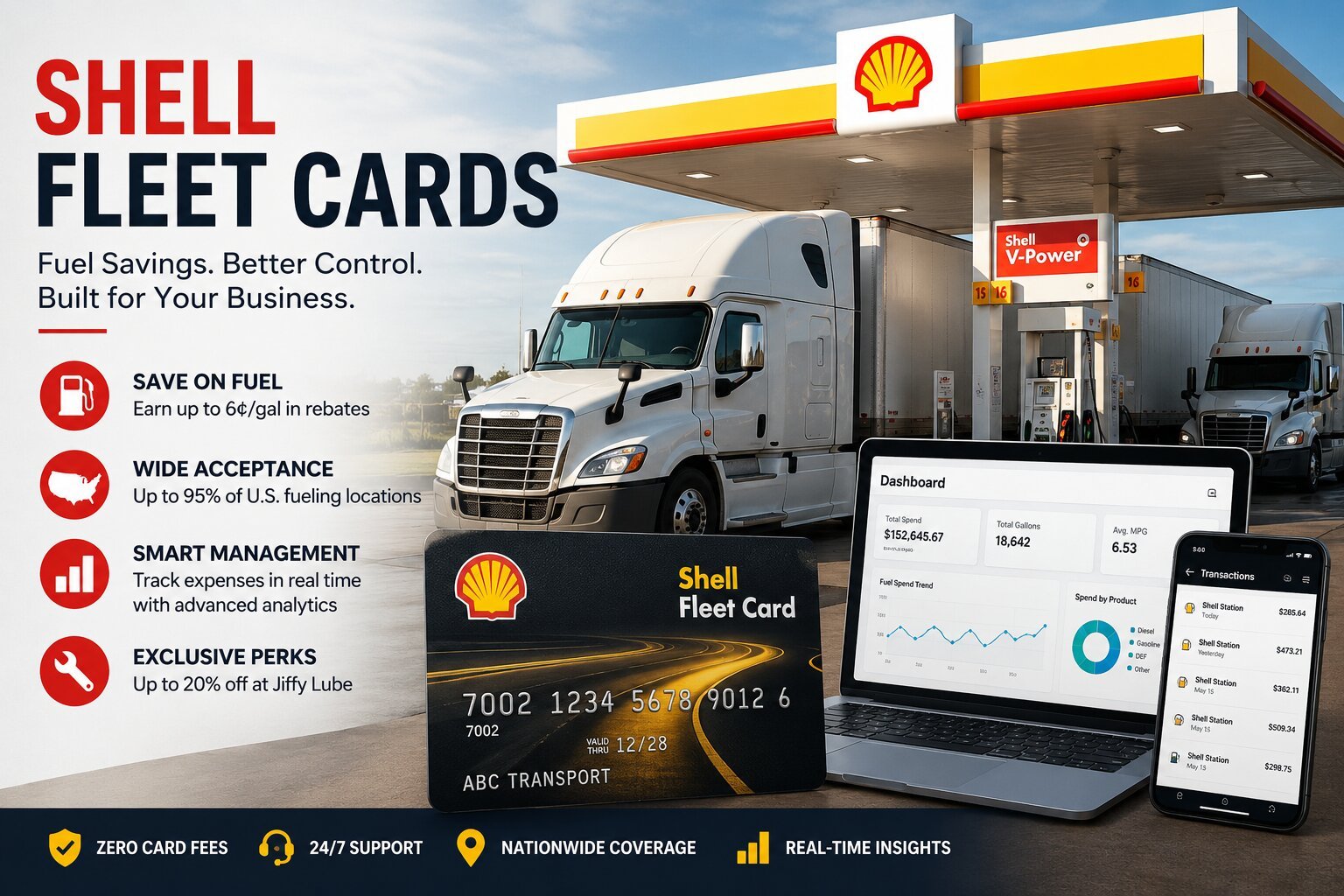
    The Shell Fleet Cards are among the top fuel card options for small businesses in 2025, backed by Shell’s extensive network of over 13,000 stations across the U.S. — slightly edging out competitors like ExxonMobil.

    Moreover, Shell offers three distinct fleet cards tailored to both small and large operations. Each card helps save time and streamline fueling through pay-at-the-pump convenience and real-time expense tracking via an intuitive dashboard.

    Additionally, with no surcharges on fuel purchases and a strong focus on transparency and control, Shell’s fleet solutions make managing fuel spend more efficient than ever.

    In this review, we’ll break down each Shell Fleet Card’s features, fees, coverage, and pros and cons. First, here’s a quick comparison to help you identify the best fit for your fleet.

    Quick Answers

    Shell Fleet Cards are a strong choice for businesses wanting fuel savings, expense tracking, and nationwide fueling convenience. The Shell Fleet Plus® Card is best for maximizing rebates with zero fees, while the Shell Small Business™ Card adds payment flexibility by allowing monthly balances.

    For large fleets needing broad coverage, the Shell Fleet Navigator® Card works at 95% of U.S. fuel stations and supports EV charging. All cards include 24/7 customer support and Jiffy Lube discounts. However, only the Navigator card offers advanced analytics, custom networks, and EV charging support, while the others are limited to Shell stations. Overall, Shell fleet cards work best for fleets focused on fuel savings, operational control, and reliable nationwide fueling access.

    Shell Fleet Card Quick Facts

    Feature Shell Fleet Plus® Card Shell Small Business™ Card Shell Fleet Navigator® Card (Business Flex)
    Network Coverage Shell stations only Shell stations only 95% of U.S. fueling locations
    Best For Maximum savings and zero fees Carrying a monthly balance Wide U.S. network coverage
    Card Fees None None $2/card monthly$1.25 truck stop fee$40 setup feeUp to $1 out-of-network fee
    Fuel Rebates 2¢/gal (0–500 gal)3¢/gal (501–5,000)5¢/gal (5,001–10,000)6¢/gal (10,001+) 2¢/gal (0–500)3¢/gal (501–5,000)5¢/gal (5,001–10,000)6¢/gal (10,001–20,000) 1¢/gal (up to 1,000)2¢/gal (1,001–4,000)3¢/gal (4,001–7,000)4¢/gal (7,001–10,000)5¢/gal (10,001–25,000)
    Perks 15% off at Jiffy Lube 15% off at Jiffy Lube 20% off at Jiffy Lube

    The Pros and Cons of Shell

    ✅ Pro: Zero Card Fees

    Many fleet cards include recurring fees that slowly reduce savings, especially for small businesses. However, Shell’s Small Business and Fleet Plus cards charge no card fees.

    As a result, users can earn average rebates of 3–4¢ per gallon without extra costs.

    ✅ Pro: Access to Handy Apps

    Additionally, Shell fleet cards include access to WEX’s management tools:

    • Driver Dash — helps drivers locate nearby Shell stations.
    • ClearView — offers detailed fuel usage and spending analysis.
    • Fleet SmartHub — allows mobile account management and monitoring.

    Consequently, these tools simplify fleet operations while improving visibility into spending patterns.


    ✅ Pro: 24/7 Customer Service

    Furthermore, Shell offers around-the-clock customer support, ensuring help is available whenever issues arise.

    Therefore, fleet managers and drivers can receive assistance 24/7, 365 days a year — a feature not commonly found among competitors.

    ❌ Con: No Rewards Program

    On the downside, Shell lacks a broader rewards or loyalty program.

    Meanwhile, competitors like ExxonMobil and Edenred offer additional incentives beyond fuel savings. Thus, businesses seeking extra perks may find competing options more attractive.


    Shell Fleet Plus® Card Review

    Best for: Mid-sized fleets wanting strong rebates, straightforward management, and spending insights.

    The Shell Fleet Plus Card provides solid fuel savings and useful analytics while keeping administration simple. However, higher discounts require larger fuel volumes.

    Shell Fleet Plus Card Overview

    Feature Details
    Savings Up to 6¢ per gallon
    Card Type Credit
    Fee Structure Rebates of 2–6¢/gal
    Accepted Fuel Types Gasoline and diesel
    Minimum Spend None
    Network Coverage Nearly 13,000 Shell stations
    Truck Stop Coverage Yes
    Non-Fuel Products Car washes and maintenance
    Extra Perks 10–15% off at Jiffy Lube
    Customer Support 24/7 assistance

    Key Features

    High Fuel Rebates

    Earn up to 6¢ per gallon when purchasing over 10,000 gallons monthly.

    No Hidden Fees

    Unlike many alternatives, there are no setup, monthly, or annual fees.

    ClearView Analytics

    Additionally, users gain access to spending reports and fuel-use insights.

    Maintenance Savings

    Drivers also receive 15% discounts at participating Jiffy Lube locations.

    Limitations

    However, several limitations exist:

    • Shell-only acceptance
    • No EV charging support
    • Balances must be paid in full
    • Limited network customization
    • No B2B loyalty rebates

    Shell Small Business™ Card Review

    Best for: Small fleets needing flexible payments and no fees.

    The Shell Small Business Card stands out because it allows businesses to carry monthly balances, improving cash flow flexibility.

    Overview Table

    Feature Details
    Savings Up to 6¢ per gallon
    Card Type Credit
    Fees None
    Fuel Types Gasoline and diesel
    Network Nearly 13,000 stations
    Truck Stops Yes
    Extra Perks 15% off Jiffy Lube
    Payment Flexibility Carry monthly balance

    Key Features

    Flexible Payments

    Most importantly, this is the only Shell card allowing balance carryovers.

    Zero Card Fees

    Likewise, there are no monthly or setup costs.

    Strong Rebates

    Users can still earn up to 6¢ per gallon.

    Maintenance Discounts

    In addition, users receive 15% off at participating Jiffy Lube locations.

    Limitations

    Nevertheless, there are trade-offs:

    • Shell-only acceptance
    • No ClearView analytics
    • No EV charging support
    • No custom fuel networks
    • No loyalty rebates

    Shell Fleet Navigator® Card Overview

    Best for: Large fleets requiring nationwide coverage and advanced controls.

    Compared with the other Shell cards, Fleet Navigator delivers broader acceptance and more sophisticated management tools.

    Category Details
    Best For Large regional/national fleets
    Savings Up to 5¢ per gallon
    Coverage 95% of U.S. stations
    Analytics ClearView included
    EV Charging Supported
    Custom Networks Supported
    Jiffy Lube Discount 20%
    Fees $2/card monthly + additional fees

    Key Features

    Near-Universal Acceptance

    Accepted at approximately 95% of U.S. fueling stations.

    EV Charging Support

    Importantly, it supports both public and home EV charging.

    Advanced Analytics

    Moreover, Fleet Navigator includes robust reporting tools.

    Custom Networks

    Users can create tailored fueling and maintenance networks.

    Limitations

    Even so, drawbacks include:

    • Monthly card fees
    • Setup costs
    • Truck stop transaction charges
    • Greater administrative complexity

    Are Any of Shell’s Fleet Cards Right for My Business?

    If I Run a Small Fleet

    The Shell Small Business Card is ideal if cash flow flexibility matters.

    Alternatively, if maximizing savings is the priority, the Fleet Plus Card may be the stronger option.

    If I Run a Large Fleet

    Meanwhile, the Fleet Navigator Card is best for broad national coverage and advanced controls.

    If I Manage Truck Fleets

    For trucking operations, Fleet Navigator offers superior coverage. However, truck stop transaction fees can increase costs over time.


    How Shell’s Fleet Cards Stack Up Against Competitors

    Card Name Card Fees Rebates Network Coverage Perks
    Shell Fleet Plus None 2–6¢/gal 13,000 stations 15% off Jiffy Lube
    WEX FlexCard $4/card/month 3¢/gal initially 95% of stations None
    Edenred Essentials $3/card/month Up to 4¢/gal Anywhere Visa accepted Costco Membership
    ExxonMobil FleetPro Custom fees Fixed tariff 12,000+ stations Rewards+ points
    Comdata Fleet Card $8/card/month + setup 8–25¢/gal average 15,000+ stations Tire & hotel discounts

    Shell vs Competitors: Price Comparison

    Provider Card Fees Notes
    Shell Fleet Plus $0/month No setup or monthly fees
    WEX FlexCard $0/month Competitive pricing
    ExxonMobil FleetPro $2/month Slightly higher fees
    Edenred Essentials $3/month Additional penalties possible
    Comdata Fleet Card $8/month Highest monthly cost

    Our Methodology: How We Reviewed Shell Fuel Cards

    To ensure accuracy, we analyzed 13 major fleet fuel cards across multiple categories.

    Category Description Weighting
    Pricing & Fees Cost comparisons 25%
    Fuel Savings Rebate potential 25%
    Fleet Management Tools Analytics and controls 20%
    Network Coverage Acceptance rates 20%
    Customer Support Availability and usability 10%

    Additionally, each card was measured across 43 investigation areas, producing relevance-weighted scores focused on real-world fleet performance.


    Main Testing Categories for Fleet Fuel Cards

    1. Security

    Includes fraud protection, encryption, and spending controls.

    2. Customer Support

    Evaluates response speed, support channels, and onboarding.

    3. Expense Management

    Assesses tracking tools, reporting, and integrations.

    4. Convenience

    Measures acceptance networks, payment options, and usability.

    5. Card-Specific Features

    Reviews fees, accepted fuel types, and non-fuel purchases.

    Ultimately, these factors help determine which fleet cards provide the best balance of savings, flexibility, and operational efficiency.

  • Customizing Your Factoring Deal

    Customizing Your Factoring Deal

    Smart Strategies for Truckers

    Learn how to tailor your factoring agreement to fit your trucking business and secure the best possible financial terms.

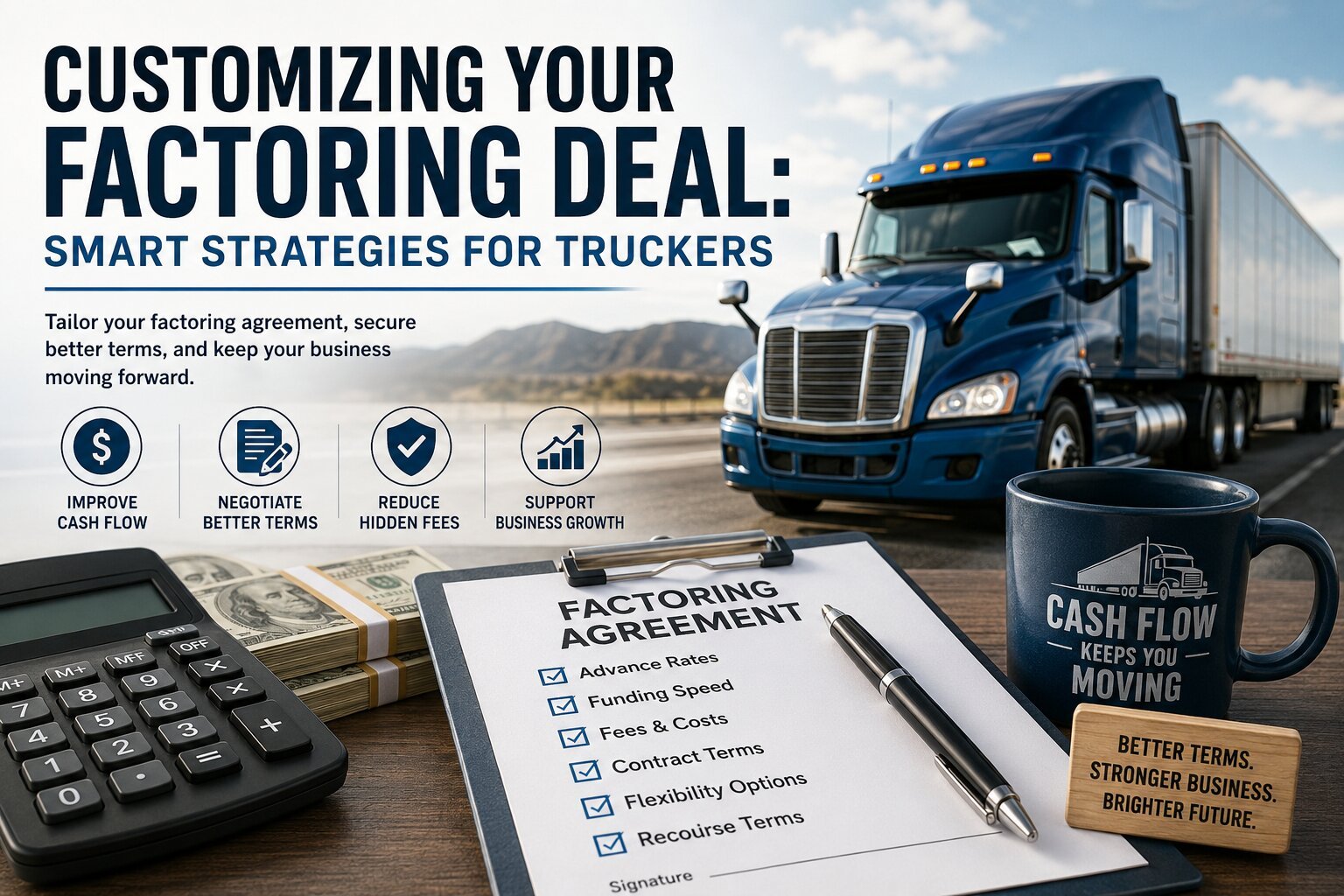
    Factoring contracts can be tricky, yet they directly influence your cash flow, flexibility, and long-term growth. After years of experience working with factoring companies and owner-operators, one thing is certain — every trucking business is unique. That’s why your factoring agreement should be personalized to match your specific routes, clients, and financial goals, ensuring you get the most value from your partnership.

    Quick Answers

    Customizing your factoring agreement helps trucking businesses improve cash flow, reduce hidden costs, and gain more flexibility. Truckers should carefully review advance rates, funding speed, contract length, termination fees, and recourse terms before signing. 

    Negotiating better terms and understanding fees like float days, monthly minimums, and auto-renewals can protect profits and support long-term business growth. Choosing a factoring company with trucking industry experience and transparent pricing is essential for building a strong financial partnership. 

    Understanding Factoring Contracts: What Every Trucker Should Know

    A factoring contract is an agreement between your trucking company and a factoring service provider that helps boost your cash flow. In simple terms, you sell your unpaid invoices at a small discount in exchange for immediate payment. The factoring company then takes on the responsibility of collecting payment from the shipper or broker, usually within 30, 60, or 90 days.

    These contracts typically last 1 to 3 years and include important terms like renewal clauses, termination policies, and funding rules. Many modern factoring companies now offer carrier-focused contracts designed for growing trucking businesses.

    Here are some key contract terms to watch closely:


    Termination Fees: Some contracts charge a fee if you cancel early or switch providers.

    Notice Periods & Penalties: Ensure the contract includes clear, fair language that protects both you and the factoring company.

    Recourse vs. Non-Recourse: In recourse factoring, you’re responsible if the customer doesn’t pay. In non-recourse factoring, the factoring company takes on that risk — a crucial distinction.

    Why Customizing Your Factoring Contract Matters

    Before signing any factoring agreement, it’s essential to understand your cash flow patterns and the seasonal trends in the regions you operate. These factors determine how factoring will best fit into your overall business strategy.

    Entering a factoring contract without a clear grasp of your company’s financial needs can lead to unnecessary challenges. By customizing your contract to align with your freight cycles and revenue flow, you can ensure the agreement truly supports your trucking business instead of restricting it.

    Mastering the Art of Negotiation

    When it comes to factoring agreements, there’s always room to negotiate. The best factoring companies take the time to understand your business and offer customized contracts that meet your specific needs. After all, factoring isn’t just a service — it’s a partnership.

    A strong, profitable trucking operation benefits both you and the factoring company. Don’t hesitate to speak up during the quotation process to discuss terms, rates, or contract flexibility. You can also gain valuable insights by talking with other trucking business owners who have firsthand experience with different factoring providers. 

    What You Can Negotiate in a Factoring Contract

    When finalizing a factoring agreement, understanding what terms are negotiable can help you get the best deal for your trucking business. Here are some key areas to focus on:

    Advance Rates:

    Try to negotiate a higher advance rate—the percentage of your invoice paid upfront. A better rate means more cash flow available immediately for your operations.

    Speed of Funding:

    Request faster funding timelines so you can access working capital quickly. Ensure the process is reliable and straightforward, with minimal delays or unnecessary steps.

    Recourse vs. Non-Recourse:

    If your customers have a strong payment history, aim for non-recourse factoring, which protects you from unpaid invoices. In some cases, recourse factoring can still make sense—choose what aligns best with your business needs.

    Contract Terms:

    Carefully review your agreement to identify and remove hidden fees or unnecessary restrictions. Whenever possible, ask for a trial period or short-term contract to evaluate the service before committing long-term. 

    Smart Options to Explore in Your Factoring Agreement

    When tailoring your factoring contract, exploring additional options can help you save money and improve efficiency. Here are two key areas to consider:

    Seasonal Flexibility:

    If your trucking business experiences seasonal slowdowns, ask your factoring company about adjustable advance rates. This allows you to reduce costs during off-peak periods while still maintaining access to funds when you need them most.

    Credit Control Services:

    Some factoring companies offer credit control, managing collections, tracking payments, and following up on unpaid invoices. This service can free up your time and reduce stress. In many cases, these companies operate confidentially, so your clients won’t know you’re using a factoring service.

    Understanding Common Fees and Terms in Factoring Agreements

    Before signing a factoring contract, it’s important to know the typical fees and terms involved. Here are two of the most common ones: 

    Origination Fee:

    This is an upfront fee you pay when starting a factoring agreement. It’s usually a small percentage of your credit line and helps cover the setup process. The good news is that this fee is often included in the funds you receive from the factoring company, so it won’t strain your cash flow.

    Termination Fee:

    If you decide to end your contract early or switch to another factoring provider, you might need to pay a termination fee. This fee is typically a percentage of your credit line but can vary depending on the terms in your agreement. Always review these details carefully before signing to avoid surprises later.

    Monthly and Weekly Fees

    Depending on your factoring agreement, you may need to pay monthly or weekly fees. These charges vary from one factoring company to another, as each may offer different rates or billing schedules. To get the best deal, take time to compare offers from multiple providers and understand how their fee structures work. Some companies may provide lower rates or more flexible payment terms, which can make a big difference for your business.

    Customer Limit

    Factoring companies often set a customer limit to reduce risk. This means they limit how much of your credit line can be tied to invoices from a single customer. If most of your invoices come from one client, you may not qualify for the full funding amount. Knowing your customer limit helps you plan your cash flow and manage your funding expectations more effectively.

    Common Mistakes to Avoid When Using Factoring

    Even though factoring can be a great way to manage cash flow, there are a few pitfalls that truckers and small business owners should watch out for: 

    1.Long-Term Contracts

    Always read the fine print before signing anything. Choose a contract length that fits your business goals. If you prefer flexibility, negotiate shorter terms or make sure your agreement allows you to adjust when your financial situation changes.

    2.High or Hidden Fees

    Transparency is key. Ask your factoring provider to clearly outline all fees upfront—no surprises later. Understanding the full cost helps you plan your finances better and ensures factoring truly benefits your cash flow.

    4.Incorrect Payment Routing

    It may sound simple, but make sure all payments from your customers are directed to your factoring company, not to you. This prevents confusion, delays, and unnecessary credit control issues.

    4. Lack of Customer Credit Checks

    Choose a factoring company that performs thorough credit checks on your customers. This helps protect you from non-payment and builds a safer, more stable business relationship. After all, both you and your factoring partner benefit from reliable clients. 

    Key Things to Keep in Mind Before Signing a Factoring Agreement

    Before entering a factoring contract, it’s important to understand all the details so you can make informed decisions. Here’s what to pay close attention to:

    Be Aware of All Fees

    Factoring costs often include more than just the basic rate. Fees can increase depending on how long your invoices remain unpaid. You may also face early termination (breakup) fees if you end your contract early, or monthly minimum fees if your invoice totals don’t meet a set amount.

    Knowing about these potential charges ahead of time will help you avoid surprises and manage your cash flow more effectively. 

    Watch Out for Auto-Renewal Clauses

    When reviewing a factoring contract, always check for an auto-renewal clause. This clause allows the factoring company to automatically extend your agreement for another term—often billing you without requiring new approval.

    Many contracts automatically renew 60 to 90 days before the current term ends, which can catch some truckers off guard. To protect yourself, choose a factoring partner that offers a 30-day cancellation window. This gives you flexibility and helps you avoid extra costs if you decide to end your contract.

    Understand the Impact of Float Days

    Float days refer to the time it takes for funds to clear after your customer’s payment is received. Even a short float—like three days—can increase your costs under tiered fee structures, where fees rise as invoices age. In some cases, this can boost your total cost by over 40%.

    To prevent this, carefully read your contract’s terms about how interest and fees are calculated. Knowing how float days affect your costs will help you manage expenses and keep your factoring affordable.

    Be Careful with Auto-Renewal Clauses

    An auto-renewal clause allows the factoring company to automatically extend your contract and keep billing you without needing your approval.

    In many cases, factoring agreements renew automatically 60 to 90 days before the current term expires. To avoid being locked into another term unexpectedly, review your contract carefully and ask your provider for a clear cancellation policy or a shorter notice period.

    Understanding the Legal Language in Factoring Contracts

    Factoring agreements can include a lot of complex terms, and every company may define them differently. Here are a few key points to understand before signing any contract: 

    Selling Accounts Receivable

    Clarify which invoices you plan to sell to the factoring company. If there are certain invoices you don’t want to include, discuss and exclude them before signing the contract. Being clear from the start helps avoid confusion later.

    Approving Customer Credit

    Factoring is based on your customers’ creditworthiness, not your own. This means you must allow the factoring company to check your customers’ credit history. Make sure you understand how this process works and what happens if a customer is denied.

    Advance Amount

    The advance rate is the percentage of your invoice that you receive upfront. This rate can vary depending on the factoring company, the size of the invoice, and the type of freight you haul. Always confirm your advance percentage before agreeing to the terms. 

    How to Choose the Right Factoring Agreement

    Selecting the best factoring agreement starts with doing your homework. Look into each company’s reputation, experience, contract terms, pricing structure, and customer service. It’s also important to choose a factoring partner that understands the trucking industry, as industry-specific knowledge can make the process smoother and more flexible for your business needs.

    Final Thoughts

    Factoring can be a valuable tool for improving cash flow and keeping your trucking business on the road. However, choosing the right partner is key. Just like in trucking, building strong, trustworthy relationships makes all the difference.

    Use this guide as your starting point to understand the world of factoring and make confident decisions for your business. Remember — navigating factoring, much like navigating the open road, takes attention, experience, and a bit of courage to get where you want to go.


  • Comdata Fleet Card Review

    Comdata Fleet Card Review

  • BasicBlock Factoring Review

    BasicBlock Factoring Review

    Quick Cash Solutions for Small Fleets

    Looking to improve cash flow for your small fleet? BasicBlock factoring offers fast payments, a simple process with no contracts, and a low 2.5% fee, making it easier than ever to keep your operations running smoothly.

    Quick Answer

    BasicBlock factoring helps small fleets get paid quickly and improve cash flow. It offers same-day funding for invoices submitted before 2 pm CT. The service charges a flat 2.5% fee with no hidden costs. It provides true non-recourse factoring, so you are not liable if brokers fail to pay. There are no long-term contracts, giving fleets full flexibility. 

    The platform is simple to use on mobile and desktop. Dedicated support ensures quick issue resolution. Some users report minor delays for late submissions. Overall, BasicBlock is a reliable and transparent option for small fleets needing fast cash. 

    Boost Your Fleet’s Cash Flow with BasicBlock Factoring

    For small fleet operators, every dollar counts, and delayed invoice payments can slow down operations—impacting fuel, maintenance, and payroll. BasicBlock factoring solves this by advancing payments, giving you the cash you need exactly when you need it.

    We’ve looked into multiple factoring options for small fleets, and BasicBlock stands out for its fast payments, clear transparency, and flexible terms. By gathering insights from fleet managers and truckers, this guide shares real-world experiences to help you decide if BasicBlock is the right choice to keep your fleet running smoothly.

    BasicBlock Factoring: Fast, Flexible Payments for Truckers

    BasicBlock is designed specifically for truckers, providing a simple way to get paid faster without the usual headaches. Their service is transparent, flexible, and hassle-free, with a flat 2.5% fee, true non-recourse factoring, and no long-term contracts.

    Invoices submitted before 2 pm CT can be paid the same day, and their user-friendly platform—available on both mobile and desktop—makes managing accounts and uploading documents easy while on the road. With its focus on reliability and simplicity, BasicBlock stands out as a strong choice for small fleets seeking fast, stress-free cash flow.

    Key Benefit Of BasicBlock Factoring

    Simple, Transparent Fees

    With BasicBlock factoring, you pay a clear 2.5% flat fee—no hidden costs or surprises. This transparency makes budgeting easier and ensures your fleet keeps more of what it earns. 

    Safe and Secure: True Non-Recourse Factoring

    BasicBlock offers true non-recourse factoring, which means if a broker fails to pay, you aren’t responsible. This feature acts as a safety net, protecting your fleet from unexpected financial losses.

    Flexible, No-Contract Factoring

    BasicBlock gives small fleets the freedom to factor invoices as needed with no long-term contracts. Cancel anytime and adapt quickly to changing business demands—perfect for operators who need flexibility.

    Fast, Same-Day Funding

    Submit invoices before 2 pm CT and receive same-day payments, ensuring your fleet has quick access to cash for fuel, maintenance, or payroll.

    Easy-to-Use Platform

    Whether on the road or in the office, BasicBlock’s mobile app and website make it simple to upload documents and manage accounts seamlessly. 

    Personalized Support

    Every account comes with a dedicated representative, providing quick, personalized assistance without the frustration of call trees or outsourced centers. This ensures you get the help you need, when you need it.

    Benefits for Small Fleets

    Fast, Same-Day Payments

    BasicBlock makes cash flow easier for small fleets with quick payment options, including same-day funding. This ensures your trucks stay on the road and expenses are covered without delays.

    Flexible, No-Commitment Service

    With no contracts or monthly minimums, BasicBlock gives small fleets the freedom to factor invoices as needed. This flexibility is ideal for navigating the unpredictable nature of the trucking industry.

    Transparent and Trustworthy

    Clear terms and no hidden fees make BasicBlock one of the most trusted factoring providers. Knowing exactly what you’re paying lets you focus on growing your fleet, not worrying about unexpected charges.

    User-Friendly Platform

    Designed with small fleets in mind, the mobile app and website make managing accounts and submitting invoices simple—even without dedicated administrative staff. 

    Personalized, Supportive Service

    With BasicBlock, every small fleet gets a dedicated account representative, providing personalized support without the hassle of automated systems. This ensures issues are handled quickly and efficiently, giving you peace of mind while managing your operations.

    User Experience: Simple, Transparent, and Responsive
    BasicBlock receives high praise from truckers and fleet managers for its easy-to-use platform and quick payment process. 

    The clear 2.5% fee structure eliminates hidden costs, while the intuitive mobile app and website make managing accounts and submitting invoices straightforward.

    Some users have noted occasional delays for invoices submitted late in the day or minor app glitches. 

    However, dedicated account representatives proactively address these issues, ensuring concerns are resolved quickly and improvements are communicated, keeping the user experience smooth and reliable.

    User Experience: Simple, Transparent, and Responsive

    BasicBlock receives high praise from truckers and fleet managers for its easy-to-use platform and quick payment process. The clear 2.5% fee structure eliminates hidden costs, while the intuitive mobile app and website make managing accounts and submitting invoices straightforward.

    Some users have noted occasional delays for invoices submitted late in the day or minor app glitches. However, dedicated account representatives proactively address these issues, ensuring concerns are resolved quickly and improvements are communicated, keeping the user experience smooth and reliable.

    Pros And Cons

    Pros of BasicBlock Factoring

    BasicBlock offers a range of benefits for small fleets:

    Transparent 2.5% Fee: A flat, straightforward fee with no hidden costs, making budgeting simple.

    True Non-Recourse Factoring: You’re not liable if a broker fails to pay, providing added security.

    No Contracts or Minimums: Factor invoices as needed without long-term commitments.

    Same-Day Funding: Invoices submitted before 2 pm CT are paid the same day for fast access to cash.

    User-Friendly Platform: The mobile app and website make managing accounts and submitting invoices easy and efficient.

    Cons of BasicBlock Factoring

    While BasicBlock offers many advantages, there are a few points to keep in mind:

    Rates Might Not Be the Lowest: The flat 2.5% fee is transparent but may not always be the cheapest option available.

    Digital Platform Focused: Best suited for users comfortable with online and mobile tools.

    Occasional Funding Delays: Some late-day invoice submissions may experience slight delays in payment. 

    Final Thoughts: Is BasicBlock Right for Your Fleet?

    BasicBlock offers a flexible and straightforward solution for small fleets, with a 2.5% flat fee, no long-term contracts, and a user-friendly platform. Its focus on transparency and quick payments makes it a strong option for operators looking to improve cash flow.

    Before signing up, consider whether the digital-only platform and fee structure fit your fleet’s needs. If it seems like the right match, you can get started today. Found this guide helpful? Share it with others in the trucking community!