Author: asad

  • Dispatch Services for Every Truck Type

    Dispatch Services for Every Truck Type

    • FLATBED

    • STEP DECK

    • DRY VAN

    • REEFER

    • CONESTOGA

    • CARHAULER

    • LTL/PARTIAL


    Quick Answers

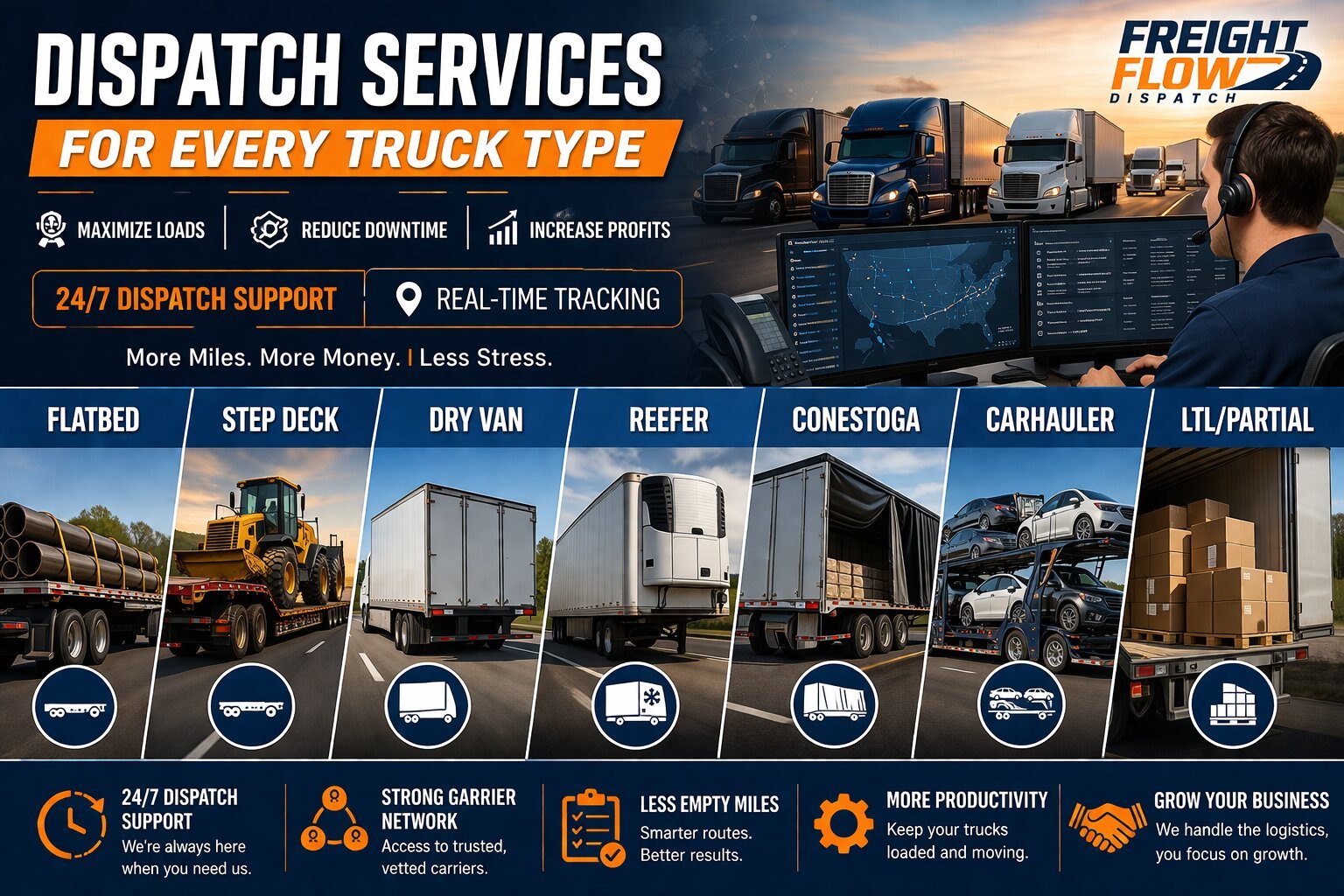
    Dispatch services for every truck type streamline logistics, reduce downtime, and maximize profits. Whether you operate flatbed, step deck, dry van, reefer, Conestoga, car hauler, or LTL/partial loads, professional dispatchers actively manage load booking, route planning, and real-time tracking. As a result, your shipments stay on schedule while your fleet runs more efficiently and avoids empty miles.

    In addition, 24/7 support and strong carrier networks keep your trucks moving and your business growing. Dispatchers also handle paperwork, communication, and scheduling, which significantly reduces your administrative workload.

    From temperature-sensitive reefer freight to oversized flatbed cargo, dispatch solutions adapt to your specific needs. By partnering with a reliable dispatch service, you can increase productivity, improve customer satisfaction, and focus fully on expanding your operations.


    Reliable Flatbed Truck Dispatch

    Move your cargo with confidence using our efficient flatbed dispatch services. Our experienced team connects you with trusted carriers and manages every detail, so your freight arrives safely and on time.

    Moreover, we focus on precision and efficiency. Whether you haul construction materials, heavy machinery, or oversized equipment, we handle route planning, tracking, and scheduling to keep everything running smoothly.

    Because every shipment is different, we customize our approach to match your cargo needs. This not only saves time and money but also ensures maximum safety. Meanwhile, our 24/7 support and real-time updates keep you informed at every step.

    Ultimately, you can rely on us to manage your flatbed operations with professionalism and care.


    Boosted Productivity with Dispatch Services

    When you use professional dispatch services, your trucks stay loaded and on the road. As a result, downtime decreases and overall efficiency increases.

    Enhanced Customer Satisfaction

    At the same time, consistent scheduling ensures on-time pickups and deliveries. This reliability builds trust and strengthens long-term customer relationships.

    Lower Administrative Workload

    Instead of managing paperwork and coordination yourself, dispatchers take over these tasks. Consequently, you gain more time to focus on growing your business.


    Expert Step Deck Dispatch Services

    Take your step deck operations to the next level with our expert dispatch team. We connect your shipments with reliable carriers while ensuring timely deliveries and smooth coordination.

    Step decks, also known as drop decks, work perfectly for tall or oversized loads. Because of their design, they provide extra clearance and make transporting heavy equipment much easier.

    Furthermore, we personalize every shipment. We analyze load requirements, optimize routes, and prevent delays. As a result, your freight moves safely and efficiently.

    With real-time updates, strong communication, and strategic planning, we help you maximize both space and profit.


    Advantages of Step Deck Dispatch Services

    First, we streamline your operations through better coordination.
    Next, we improve fleet efficiency by reducing idle time.
    Finally, we simplify your workload by handling scheduling and paperwork.

    Together, these benefits help your business grow faster and operate more smoothly.


    Professional Dry Van Dispatch Services

    Our dry van dispatch services keep your operations organized and profitable. We secure high-paying loads, reduce downtime, and maintain constant communication with drivers.

    Since dry vans handle everyday goods like furniture and electronics, they require efficient coordination rather than special handling. Therefore, our team focuses on scheduling, routing, and communication to ensure smooth deliveries.

    Whether you’re an owner-operator or managing a fleet, we handle logistics so you can stay focused on the road and maximize earnings.


    Advantages of Dry Van Dispatch Services

    With better planning, your trucks stay loaded and productive.
    At the same time, consistent performance improves customer satisfaction.
    Additionally, reduced paperwork allows you to focus on business growth.


    Professional Reefer Dispatch Services

    When it comes to temperature-sensitive freight, precision matters. That’s why our reefer dispatch services focus on safety, timing, and efficiency.

    We carefully select trusted carriers, plan optimized routes, and monitor shipments in real time. As a result, your cargo maintains its quality throughout the journey.

    Moreover, our 24/7 support team responds quickly to any issues, ensuring smooth operations at all times.


    Advantages of Reefer Dispatch Services

    First, we increase efficiency through smart routing.
    Next, we ensure reliable, on-time deliveries.
    Finally, we reduce your administrative burden by handling coordination and tracking.


    Reliable Conestoga Dispatch Services

    Conestoga trailers offer both flexibility and protection. Therefore, they work well for a wide range of freight.

    Our dispatchers manage these shipments with precision by securing loads properly and optimizing routes. Meanwhile, real-time tracking and proactive communication keep you fully updated.

    As a result, your operations stay efficient and profitable.


    Advantages of Conestoga Dispatch Services

    We keep your trucks moving consistently.
    We improve delivery reliability.
    And we eliminate time-consuming administrative tasks.


    Professional Car Hauler Dispatch Services

    Transporting vehicles requires extra care and planning. For this reason, our car hauler dispatch services focus on safety, timing, and efficiency.

    We plan each shipment carefully, optimize routes, and work with reliable carriers. Consequently, your vehicles reach their destination securely and on schedule.

    In addition, we maintain clear communication throughout the process, helping you build trust with your customers.


    Benefits of Car Hauler Dispatch Services

    You reduce downtime and increase productivity.
    You improve customer satisfaction with reliable delivery.
    And you simplify operations by outsourcing coordination tasks.


    Efficient LTL and Partial Load Dispatch Solutions

    Not every shipment requires a full truck. Therefore, our LTL and partial load services help you save money by sharing truck space.

    We combine shipments strategically, which reduces costs and improves efficiency. At the same time, this approach supports eco-friendly operations by minimizing empty space.

    With careful planning, real-time tracking, and transparent communication, we ensure your freight arrives safely and on time.


    Advantages of LTL and Partial Load Dispatch

    First, you maximize truck capacity.
    Next, you reduce transportation costs.
    Finally, you simplify logistics while improving delivery performance.


    Frequently Asked Questions

    What makes partial load different from full truckload?
    In full truckload shipping, one customer uses the entire truck. However, partial load combines shipments from multiple clients, which lowers costs and increases efficiency.

    Why choose partial load dispatch?
    Because it reduces costs, improves flexibility, and supports eco-friendly logistics.

    How do I know if my shipment qualifies?
    If your freight doesn’t require a full truck, it likely qualifies. Simply share your details, and we’ll guide you.

    Can I combine multiple orders?
    Yes, you can combine shipments to maximize space and reduce overall costs.
  • Commercial Truck Insurance

    Commercial Truck Insurance

    Understanding Commercial Truck Insurance

    Commercial truck insurance protects your business from the financial impact of accidents involving work vehicles. It covers damages and injuries that occur when you or your employees drive company-owned trucks for business purposes.

    You need this insurance to run a trucking operation safely and legally. Whether you manage a fleet or operate as an owner-operator, this coverage keeps your business protected on the road.


    Quick Answers

    Commercial truck insurance protects your business from financial losses caused by accidents involving company trucks. It covers property damage, bodily injury, and other risks when you use vehicles for business operations.

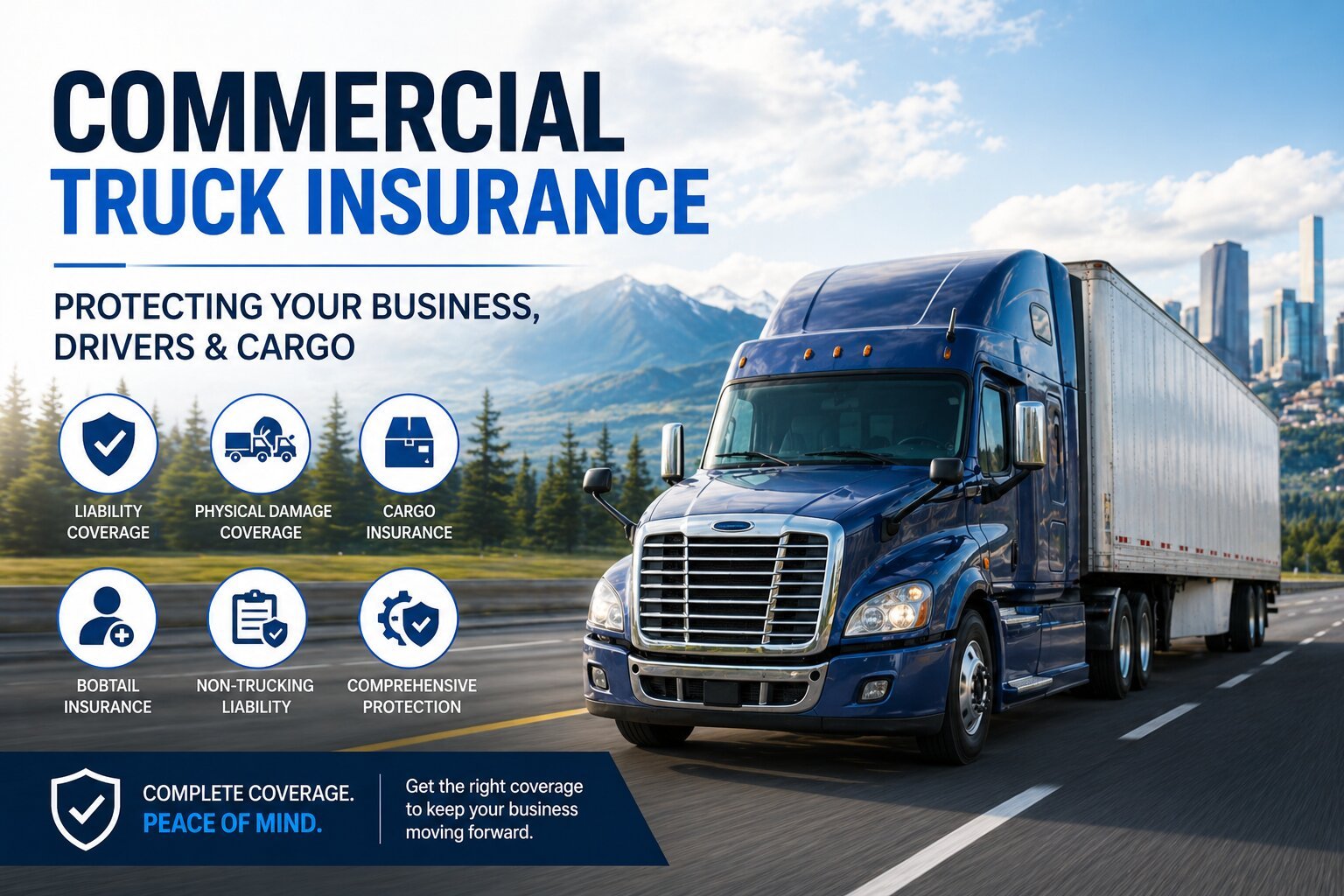
    Owner-operators, motor carriers, and private carriers rely on this coverage to operate vehicles like semitrucks, dump trucks, box trucks, and tractor-trailers. Most policies include liability insurance, cargo coverage, bobtail insurance, and physical damage protection to secure both vehicles and freight.

    Several factors affect your cost, including truck type, cargo, driving history, operating radius, and coverage limits. Businesses with safe driving records and strong safety practices often pay lower premiums. You can also add options like trailer interchange and refrigeration breakdown coverage for extra protection.

    Whether you run one truck or a full fleet, the right insurance keeps your operations compliant, reduces risk, and helps your business run smoothly.


    Key Takeaways

    Commercial truck insurance—often called truck liability insurance—protects your business from claims related to property damage, medical expenses, or serious accidents.

    Owner-operators, for-hire carriers, and private carriers depend on this coverage to stay protected while operating on the road.

    You can insure many vehicle types under one policy, including dump trucks, box trucks, tow trucks, semitrucks, and tractor-trailers.


    What Is Truck Liability Insurance?

    Truck liability insurance covers bodily injury and property damage that you or your employees cause while driving company-owned trucks.

    This coverage protects your business from costly claims and gives you peace of mind every time your drivers hit the road.


    How Does Commercial Truck Insurance Work?

    Commercial truck insurance protects you from financial risks tied to operating business vehicles. If you transport goods or supplies, this coverage helps you handle accidents and unexpected events.

    Your policy includes coverage limits that define how much your insurer will pay for claims. You pay a monthly or annual premium based on your risk profile and coverage choices to keep your policy active.


    Who Needs Insurance for a Tractor Trailer?

    Several types of trucking professionals benefit from tractor trailer insurance:

    • Owner-Operators: Protect your business and assets when you run your own trucking operation.
    • Motor Carriers: Stay covered while transporting goods for clients.
    • Private Carriers: Protect your business when you move your own cargo.

    Types of Vehicles Covered

    You can customize commercial truck insurance to match your fleet. Most policies cover:

    Dump Trucks

    Dump truck insurance protects your business from liability and physical damage risks. Construction companies, landscapers, and material haulers rely on this coverage daily.

    Box Trucks

    Box truck insurance covers costs if your drivers cause an accident while operating company-owned vehicles. It includes liability and other essential protections to keep your operations secure.

    Tow Trucks

    Tow truck insurance protects your business if an accident causes injury or property damage during towing operations. Auto shops and roadside assistance businesses depend on this coverage.

    Semitrucks

    Semitruck insurance protects your business when your drivers cause accidents that result in injuries or property damage. Most policies include liability coverage to handle expensive claims.

    Tractor Trailers

    Tractor trailer insurance covers liability costs when your drivers operate large transport vehicles. It protects businesses that haul goods and freight regularly.


    Essential Insurance Coverage for Trucks and Tractor Trailers

    To fully protect your trucking business, you should include these coverage types:

    • Motor Truck General Liability Insurance: Covers injury and property damage claims caused by your drivers.
    • Motor Truck Cargo Insurance: Protects the goods you transport from theft or damage.
    • Non-Trucking Liability Insurance: Covers your truck during personal or non-business use.
    • Trailer Interchange Insurance: Protects trailers owned by other companies while in your care.
    • Bobtail Insurance: Covers your truck when you drive without a trailer.
    • Refrigeration Breakdown Coverage: Protects perishable goods if your reefer unit fails.
    • Rental Reimbursement with Downtime: Helps you rent a replacement truck while yours undergoes repairs.

    How Much Does Business Truck Insurance Cost?

    Insurance providers calculate your premium based on several factors:

    • Truck Type: Size, age, and model affect your rates.
    • Cargo Type: Risky or valuable cargo increases costs.
    • Operating Radius: Longer distances raise your premium.
    • Driving History: Safe drivers help lower your rates.
    • Coverage Requirements: Higher limits increase your cost.
    • USDOT Authority: Compliance and registration can influence pricing.

    When you understand these factors, you can plan your budget and choose the right coverage.


    How to Save on Commercial Truck Insurance

    You can lower your insurance costs by taking smart steps:

    • Monitor driver records and correct risky behavior
    • Choose only the coverage you need
    • Maintain a fleet to qualify for discounts
    • Hire experienced, safety-focused drivers
    • Implement safety programs and regular maintenance
    • Pay your premium in full to unlock discounts

    These strategies help you reduce costs while staying protected.


    Frequently Asked Questions

    How Much Does Commercial Truck Insurance Cost?

    Your cost depends on industry type, cargo, location, coverage limits, truck type, driving history, and claims history.

    What Is the Minimum Commercial Truck Insurance?

    You must carry liability insurance to cover bodily injury and property damage caused during business operations.

    What Insurance Do I Need for a Semitruck?

    You need liability coverage at minimum. It protects your business from costly accident-related claims.

    What Insurance Do I Need for a Tractor Trailer?

    You should include:

    • Motor truck liability
    • Cargo coverage
    • Non-trucking liability
    • Trailer interchange
    • Bobtail insurance
    • Refrigeration breakdown
    • Rental reimbursement

    The right mix of coverage keeps your operations fully protected.

  • Box Truck Insurance

    Box Truck Insurance

    What Is Box Truck Insurance?

    Box truck insurance provides commercial auto coverage for businesses that operate box trucks or straight trucks for work. If you run a delivery or logistics business, you face unique risks in short-haul trucking. This insurance protects your business and your drivers while they’re on the road.

    It covers bodily injury and property damage claims if you or your employees cause an accident while driving a company-owned box truck.

    To protect your business properly, you should contact a local insurance agent who can evaluate your needs and recommend the right coverage. You can also get a quick online quote through trusted partners like Tivly.


    Quick Answers

    Box truck insurance plays a critical role for businesses that rely on box or straight trucks for daily operations. It protects you financially from accidents, theft, property damage, and injuries involving your vehicles.

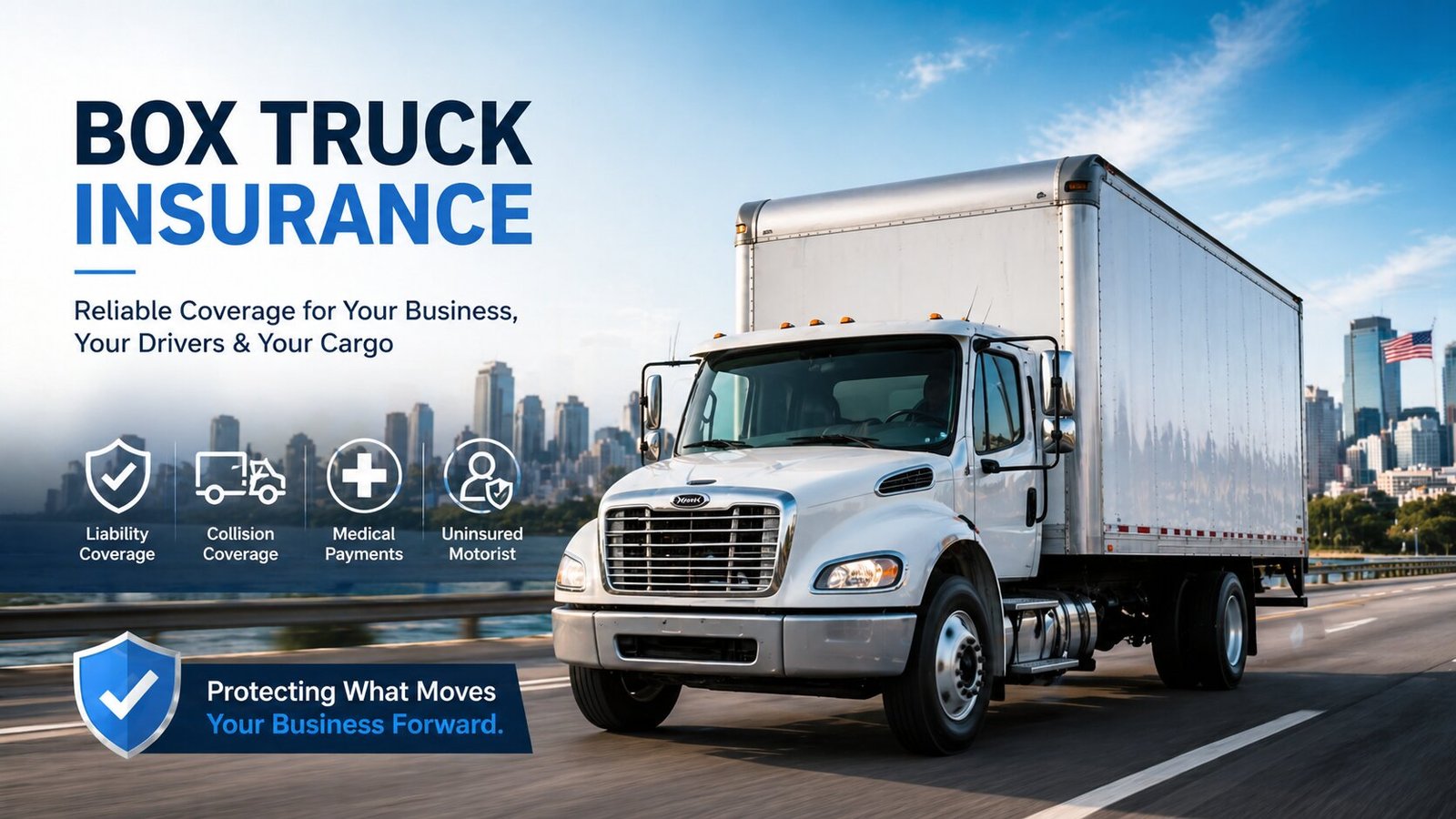
    Many industries use this coverage, including catering, retail, furniture delivery, and landscaping. Most policies include liability, collision, comprehensive, medical payments, and uninsured motorist coverage, which protect both drivers and cargo.

    Several factors affect your insurance cost, such as location, truck type, driving history, and coverage limits. If your business carries higher risk or has previous claims, you will likely pay higher premiums. However, many insurers offer flexible plans that match your business needs.

    Whether you operate one truck or manage a fleet, the right insurance reduces financial risk and keeps your business running smoothly. You can easily get a quote online or through an agent to find the best coverage.


    What Businesses Need Commercial Box Truck Insurance?

    If your business uses box trucks for deliveries or operations, you need commercial box truck insurance to stay protected. Many industries depend on this coverage, including:

    • Catering companies
    • Bakeries
    • Florists
    • Furniture stores
    • Wholesalers and distributors
    • Retailers
    • Landscaping businesses

    What Does Box Truck Insurance Cover?

    Box truck insurance works like a commercial auto policy but includes additional truck-specific protections. While coverage may vary by state, most policies include:

    • Liability Insurance: Covers bodily injury and property damage if you or your employees cause an accident.
    • Collision Coverage: Pays to repair or replace your truck after a collision with another vehicle or object.
    • Comprehensive Coverage: Protects your truck from theft, fire, or natural disasters.
    • Medical Payments Coverage: Pays medical expenses for drivers and passengers, including treatment, rehab, or funeral costs.
    • Uninsured/Underinsured Motorist Coverage: Covers expenses if you get into an accident with a driver who lacks sufficient insurance.

    These coverages keep your drivers, cargo, and operations protected on the road.


    Types of Trucks Covered Under Box Truck Insurance

    Box truck insurance doesn’t just cover standard box trucks. You can also insure other commercial vehicles under the same policy, including:

    • Straight trucks
    • Tilt cabs
    • Flatbed trucks

    This flexibility allows you to protect multiple vehicle types under one plan.


    What Does Box Truck Insurance Cost?

    Your insurance premium depends on your business operations and the type of cargo you haul. Several key factors influence your cost:

    • Company Location: High-risk areas often lead to higher premiums.
    • Coverage Limits: Higher limits increase your overall cost.
    • Truck Type: Larger or newer trucks typically cost more to insure.
    • Driving Records: Safe drivers help lower your premiums.
    • Claims History: Past accidents or claims can raise your rates.

    When you understand these factors, you can plan your budget better and choose the right coverage.


    Get a Fast and Free Box Truck Insurance Quote

    Truck drivers deal with risks every day, so you must protect your business on the road.

    The Hartford offers a fast and simple way to get a free box truck insurance quote. If you need guidance, you can connect with a local agent who will assess your business and recommend the right coverage.

    You can also get an online quote quickly through Tivly. This makes it easy to compare options, secure coverage, and keep your business protected.